


Why Cats Can't Grip Rotating Surfaces: The Science Behind Cat Containment

Cats are amazing climbers, but they have one big weakness - they can't grip surfaces that rotate. This natural limitation is what makes cat containment systems like Oscillot® work so well. These systems keep cats safe while still letting them enjoy the outdoors. Let's look at why cats struggle with rotating surfaces and how this helps keep them safely in your yard.
Cats have special climbing abilities that work great on trees and fences, but fail completely on spinning surfaces. This isn't because cats are poorly designed - it's because their claws and climbing technique evolved for grabbing onto stable things like tree trunks. Modern cat containment systems use this natural limitation to create barriers that work without hurting or stressing cats.
This understanding of how cats climb has led to clever solutions for cat owners across Europe who want their cats to enjoy fresh air while staying safe. These systems work well in many settings, from small city gardens in Paris to large mountain properties in the Alps.

The Anatomy Behind the Limitation
To understand why cats can't grip rotating surfaces, we need to look at their paws and how they climb. Cats have retractable claws that are perfect for climbing things that don't move. When a cat climbs, it follows a specific pattern: extend claws, grip surface, pull body up, and repeat. This works because the cat can create stable anchor points with its claws and use its strong shoulder and leg muscles to move upward.
This technique works great on stable surfaces, but fails completely when the surface rotates. Here's why:
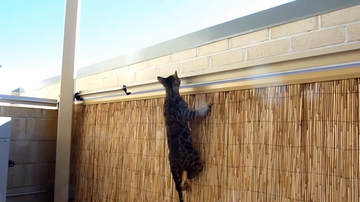
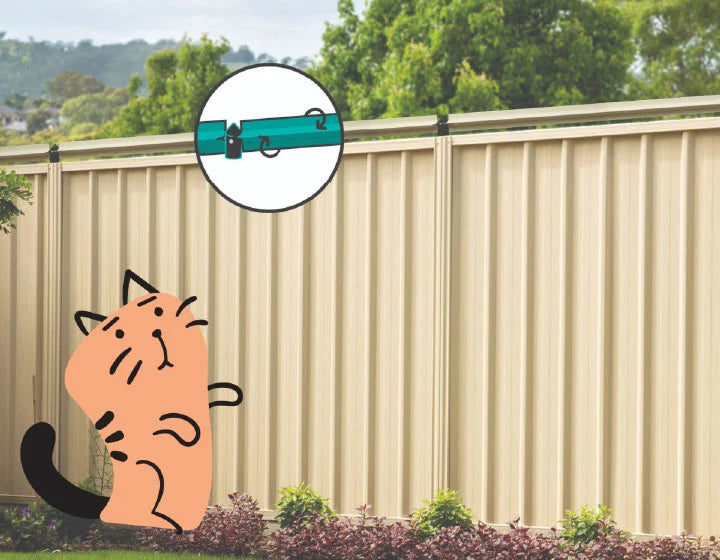
When cats try to grip a rotating surface like the paddles in an Oscillot cat-proof fence system, the surface moves as soon as they apply pressure. This rotation stops the cat from getting the stable grip it needs to pull itself up. The cat's claws, which normally dig into surfaces to create anchor points, just slide off as the surface turns. This creates a problem that even the most athletic cats can't solve. The cat's own weight and movement actually make the surface rotate faster, making climbing impossible.

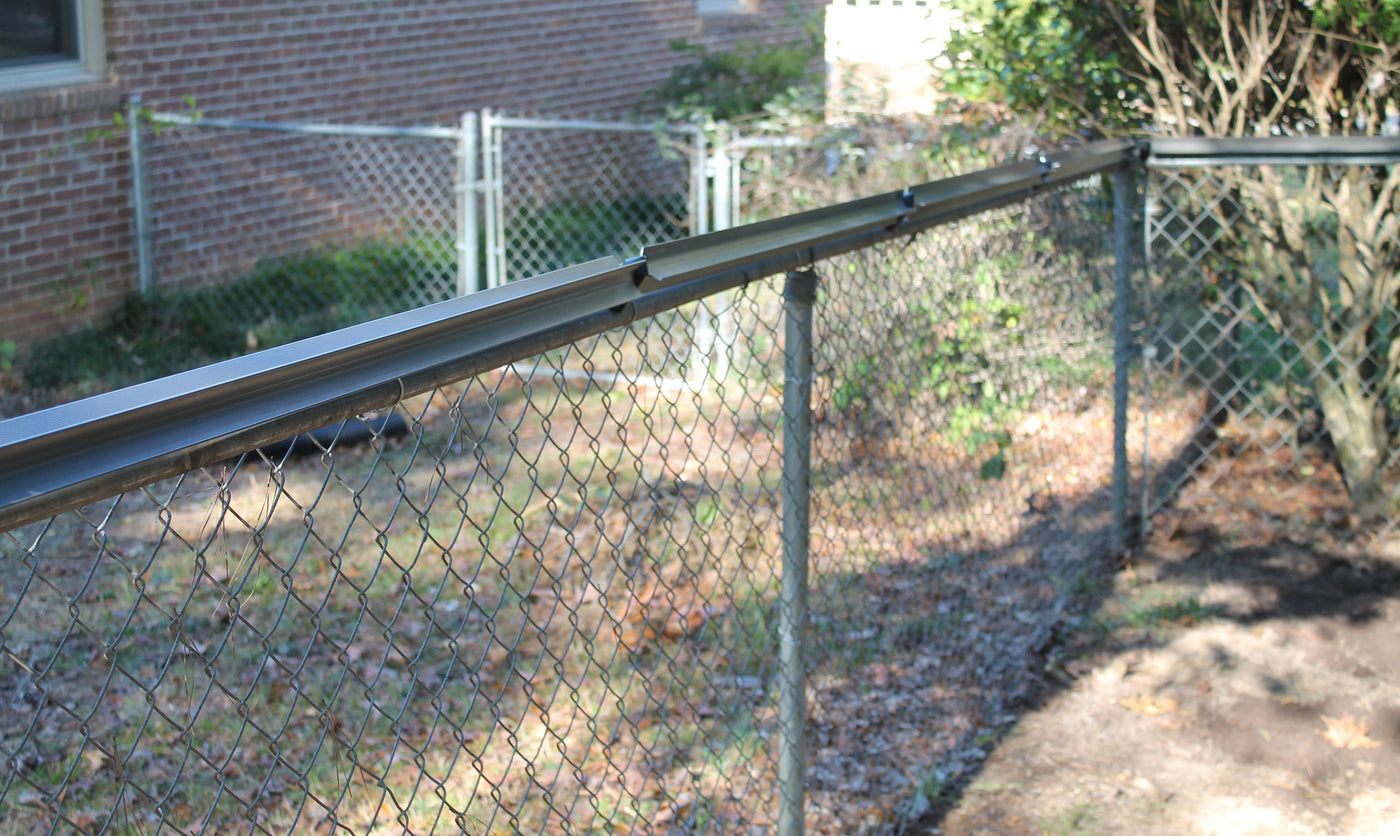
The physics is simple but effective: cats need resistance to climb, and rotating surfaces don't provide any. It's like trying to climb a ladder where each rung spins when you step on it - physically impossible, no matter how strong or skilled you are. This is why rotating paddle systems work so well at containing cats without causing any harm. Vets have noticed that cats quickly learn to recognize these barriers and adjust their behavior, without showing signs of stress that might come with other containment methods.
How Cat Containment Systems Leverage This Limitation
European cat containment systems like Oscillot® work by creating a barrier of rotating paddles along the top of existing fences. When a cat tries to climb over the fence, it reaches the rotating paddles and can't get a grip to continue climbing. After a few tries, cats learn that they can't get past this barrier and stop trying to escape. The mental part is just as important as the physical part - cats are smart animals that remember what works and what doesn't.
What makes this approach great is how simple and humane it is. Cat-proof fence kits don't use electric shocks or anything that could upset your cat. They just create a physical barrier that cats naturally understand and respect. Unlike old-fashioned containment methods that might use negative experiences or discomfort, rotating paddle systems work with how cats think and behave. This fits well with modern European ideas about animal welfare and ethical pet care.

These systems are especially useful in European settings where outdoor access for cats is considered important for their happiness, but safety concerns and wildlife protection are also priorities. The systems are designed with European conditions in mind, from small city gardens in Amsterdam to large country properties in the French countryside. They can be adapted to work with many different types of fences found throughout Europe, from historic stone walls in Italy to modern fences in Scandinavian homes.
The European Context: Why Cat Containment Matters
Across Europe, cat containment has become more important for several reasons. Europeans have always valued letting cats go outdoors, believing it helps cats stay healthy and behave naturally. But modern challenges make letting cats roam freely more problematic. European cities are getting bigger, and there's more traffic than ever before, creating environments that are much more dangerous for free-roaming cats than in the past.
In crowded European cities, traffic is a serious danger to cats that roam freely. Studies show that road accidents are a leading cause of death for outdoor cats, making their lives much shorter. Research in the European Journal of Companion Animal Practice shows that free-roaming cats in European cities live 5-7 years less than contained cats. Cat containment systems let European cat owners give their cats outdoor time while removing this risk. This balanced approach satisfies both the European tradition of letting cats enjoy the outdoors and the growing concern for pet safety.
Also, European biodiversity conservation efforts have shown that domestic cats can affect wildlife populations. Research shows that free-roaming cats can harm bird and small mammal populations. A 2022 study by the European Bird Census Council estimated that domestic cats in Europe kill about 200 million birds each year, including several species that are already at risk. By keeping cats within property boundaries, these systems help protect local wildlife while still letting cats enjoy the outdoors. This approach supports the European Union's Biodiversity Strategy, which aims to protect wildlife across the continent.
The European market for cat containment systems has grown a lot, with the cat fence market worth about €180 million in 2024 and expected to reach €320 million by 2033. This growth shows that more European cat owners understand the benefits of controlled outdoor access. Market research shows especially strong adoption in countries like Germany, the Netherlands, and the United Kingdom, where both cat ownership and environmental awareness are high. This trend is expected to spread to Southern and Eastern European markets as more people learn about these solutions.
DIY Installation: A European Approach to Cat Containment
One of the best things about modern cat containment systems for European homeowners is how easy they are to install yourself. Systems like Oscillot® are designed to be installed by homeowners without needing professional help, making them available across different European countries regardless of local service availability. This self-installation approach is especially valuable in remote European areas or places where specialized services might be limited or too expensive.
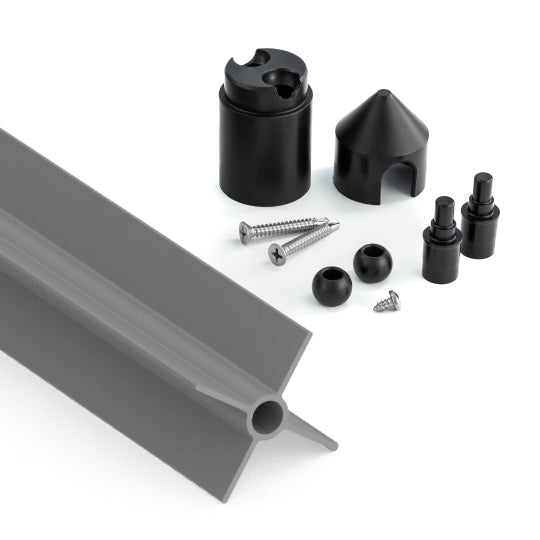
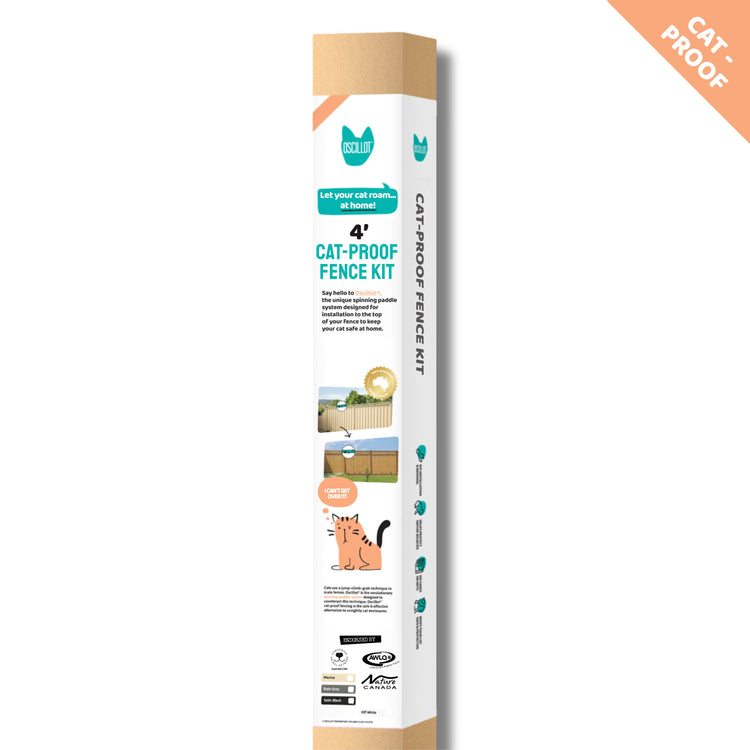
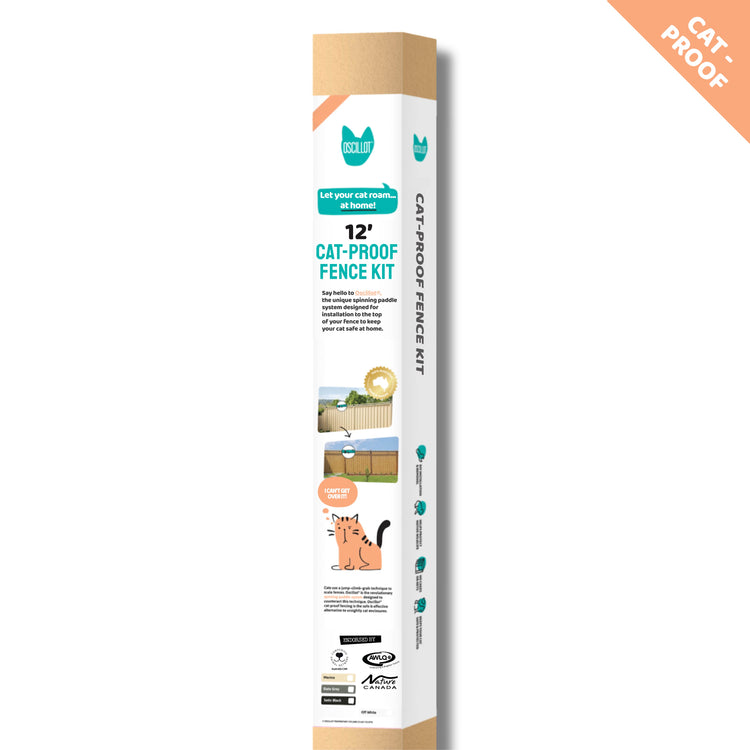
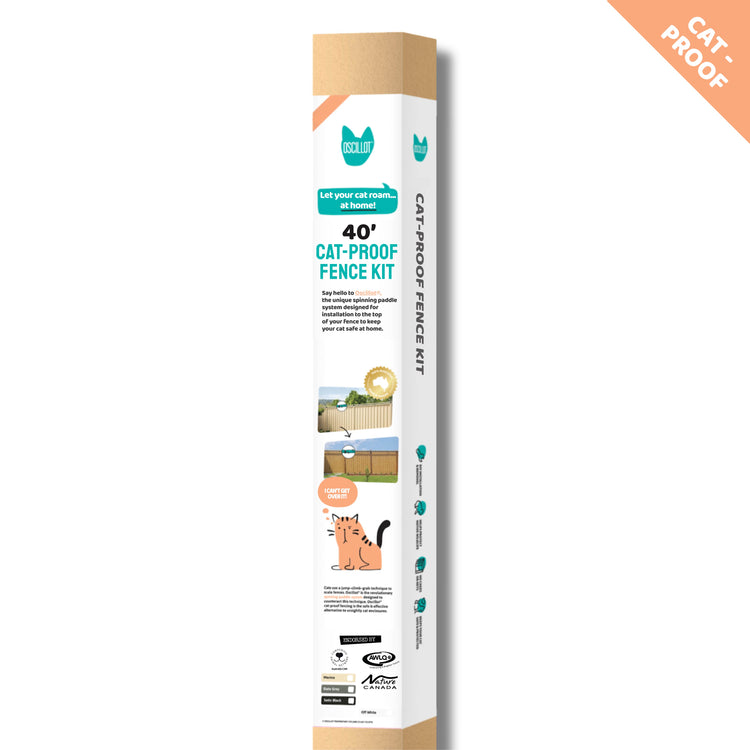
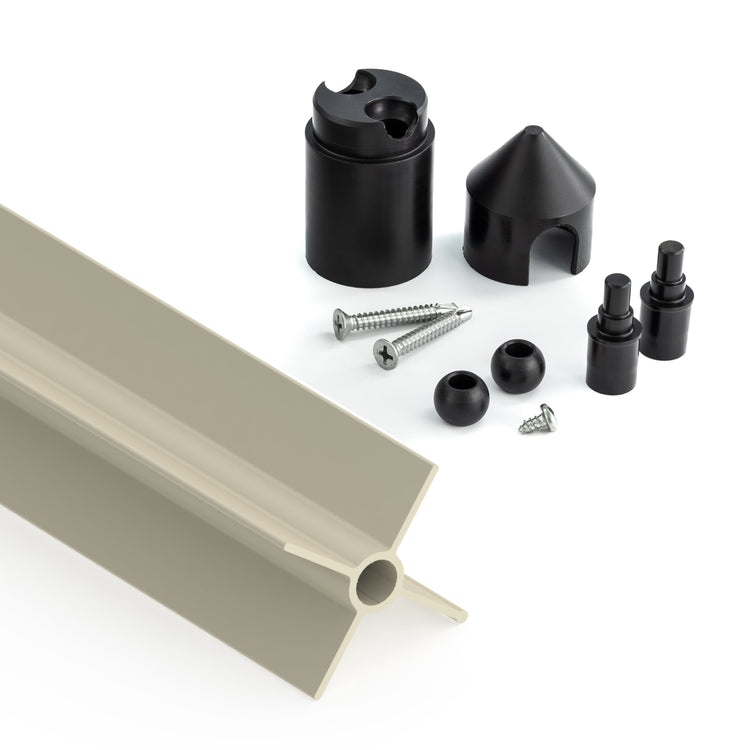
The Oscillot cat-proof fence kit includes all the parts you need and comes with clear installation instructions that anyone with basic DIY skills can follow. This fits well with European values of self-reliance and practical problem-solving. The kits include detailed instructions in multiple languages that work for different fence types common across European countries, from the wooden picket fences popular in Northern Europe to the metal and stone structures more common in Mediterranean countries.
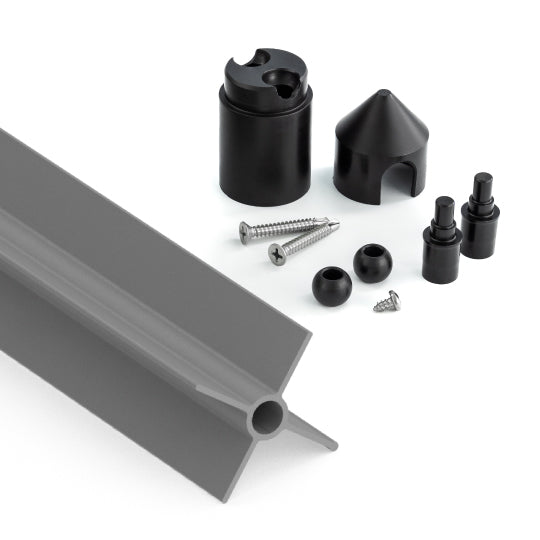
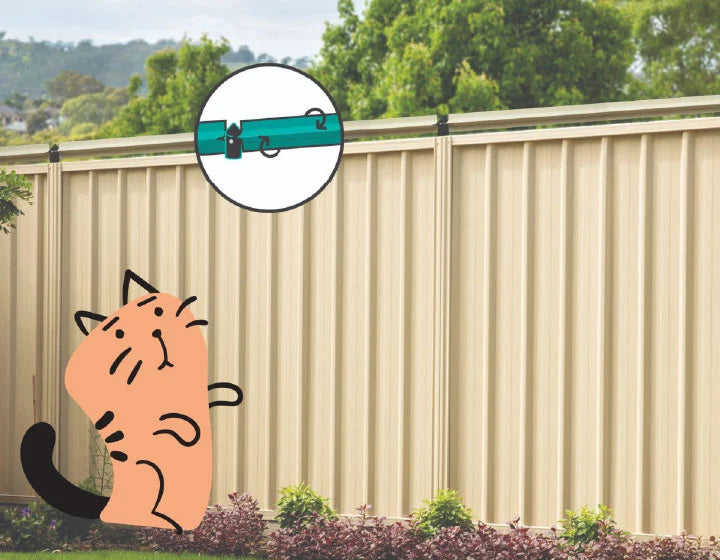
The installation process typically involves:
- Measuring your fence perimeter to determine how much material you need
- Attaching brackets to your existing fence
- Installing the rotating paddles onto the brackets
- Testing to ensure all paddles rotate freely
Most European homeowners can finish the installation over a weekend, with the average installation time for a medium-sized garden being 4-6 hours. The systems work with various fence types common across Europe, including wood, metal, brick, and chain-link fences. This versatility is crucial in the European market, where housing styles and garden layouts vary greatly between regions. From the narrow row houses of Amsterdam to the large country estates of rural France, these systems can be adapted to work with existing structures, preserving the look of different European architectural styles.
Adapting to European Environments and Weather Conditions
Europe's different climate zones create unique challenges for outdoor cat containment systems. From the Mediterranean heat of Southern Europe to the harsh winters of Scandinavia, cat containment systems need to withstand many weather conditions to work year-round. The temperature differences can be extreme, with summer temperatures above 40°C in parts of Spain and Italy, while winter temperatures in Nordic countries can drop below -30°C. Any outdoor system needs to work reliably across this entire range.
Oscillot® systems are made with high-quality materials specifically chosen for their durability in European conditions. The parts are UV-resistant to prevent damage from sun exposure in Southern European countries, while also being frost-resistant to keep working during Northern European winters. The engineering meets European standards for outdoor materials, with UV stabilizers that prevent the plastics from becoming brittle even after years in intense Mediterranean sunlight. Similarly, the materials stay flexible and functional even in the extreme cold of Nordic winters, where regular plastics might become brittle and crack.
For European mountain homes, which face special challenges with extreme weather and rough terrain, specialized solutions are available. These systems are strengthened to handle heavy snow and can be adapted to work with the stone walls and wooden structures typical in Alpine buildings. The reinforced brackets can handle the weight of snow without bending or breaking, ensuring year-round functionality even in regions that get several meters of snowfall each year. Special mounting hardware is also available for the uneven stone walls common in traditional Alpine construction.
The materials used in these systems are also chosen for their environmental sustainability, matching European values around ecological responsibility. Components are recyclable and made using processes that reduce environmental impact. The production facilities follow the European Union's strict environmental regulations, and the company has promised to reduce its carbon footprint by 30% by 2030, in line with EU climate goals. This commitment to sustainability appeals to environmentally conscious European consumers who want effective solutions that don't harm the planet.
Special Applications: Tree Guards and Gate Solutions
A complete cat containment system needs to address all possible escape routes, not just the main fence. In European gardens, trees near fence lines and gates present special challenges that need specific solutions. European garden design often includes mature trees and elaborate entryways, both of which can create weak points in a containment system if not properly addressed.
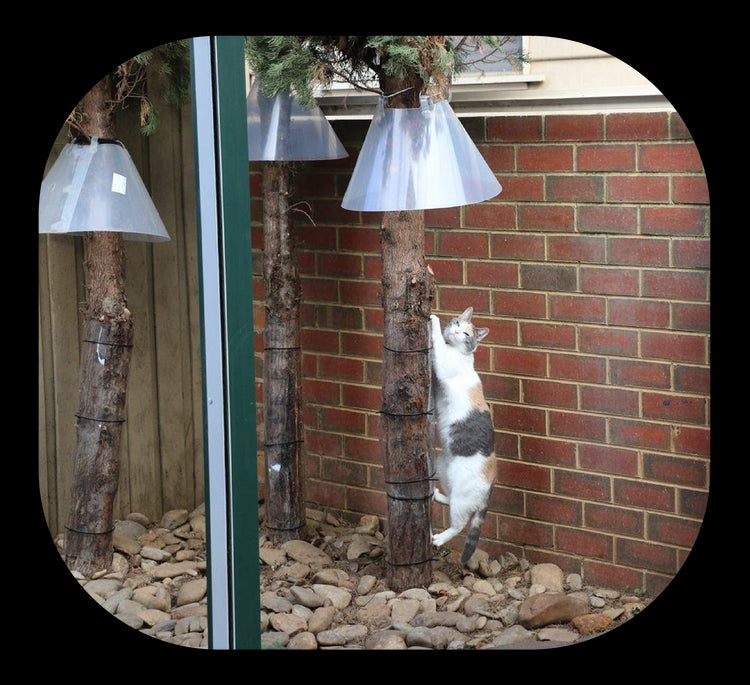
Trees can give cats an alternative climbing route to get around fence-top barriers. To solve this problem, Cat Tree Guards create a barrier around tree trunks that stops cats from climbing them. These guards work on the same principle as the fence-top systems, creating a surface that cats cannot grip. The guards are designed to allow for the natural growth of trees and can be adjusted as the trunk gets thicker over time, ensuring long-term effectiveness without harming the tree.
The Cat Tree Guard is priced at €29.99 and features:
- Easy installation on tree trunks up to 23.5cm in diameter
- Durable and weather-resistant materials for year-round effectiveness
- Available in two colors (black and white) to match your garden aesthetic
Gates and entry points also need special attention. The 1.2 Metre Kit (€40.00) is perfect for securing standard European garden gates, ensuring that these necessary access points don't become escape routes for your cat. These smaller kits include all the parts needed to secure a single gate while maintaining easy human access. The design works with the various gate styles found across Europe, from decorative wrought iron designs popular in Mediterranean countries to the simpler wooden gates common in Northern Europe. The gate solutions work with both inward and outward opening gates, as well as double gates, ensuring compatibility with the full range of European garden entrance designs.
Wildlife Protection: An European Ecological Perspective
Across Europe, there's growing awareness about how domestic cats affect local wildlife. Free-roaming cats kill billions of birds and small mammals annually worldwide, and European ecosystems are not immune to this impact. Research by the European Environment Agency has identified domestic cat hunting as a factor in population declines of several European bird species, especially ground-nesting birds in suburban and rural areas.
Cat containment systems help address this ecological concern by preventing cats from hunting outside their owner's property. This is especially important in European biodiversity hotspots and areas with vulnerable or protected species. The European Union's Natura 2000 network of protected areas, which covers 18% of the EU's land area, includes many zones where wildlife protection is a priority. In these regions, responsible cat containment is increasingly seen as an essential part of conservation efforts.

In many European countries, conservation groups have begun recommending cat containment as a responsible practice for cat owners. Organizations like the Royal Society for the Protection of Birds in the UK and NABU in Germany have started educational campaigns highlighting the benefits of cat containment for wildlife conservation. By keeping cats within property boundaries, these systems help protect local bird populations, especially during nesting seasons when baby birds are most vulnerable. Spring migration periods are especially critical, as many European bird species return from wintering grounds in Africa and the Middle East to breed across the continent.
Cat-proof fence systems offer a balanced solution that respects both cats' natural behaviors and the need to protect European wildlife. This approach matches European values around conservation and responsible pet ownership. The European model of conservation increasingly focuses on coexistence rather than conflict, looking for solutions that allow humans and their pets to live alongside wildlife without causing unnecessary harm. Cat containment systems show this philosophy in action, allowing cats outdoor access while preventing them from harming sensitive wildlife populations.
Conclusion: Creating Safe Outdoor Spaces for European Cats
The fact that cats can't grip rotating surfaces provides the foundation for humane, effective cat containment systems that are helping European cat owners create safe outdoor spaces for their cats. These systems use a natural limitation in cat biology to create barriers that prevent escape without causing stress or discomfort. By working with cat nature rather than against it, these solutions represent a big improvement in humane pet management techniques.
For European cat owners, these containment solutions offer the perfect balance between letting cats enjoy the outdoors and keeping them safe. By preventing cats from roaming beyond property boundaries, these systems protect cats from road accidents, fights with other animals, and other outdoor dangers while also helping to protect local wildlife. This balanced approach satisfies the European tradition of providing cats with outdoor access while addressing modern concerns about pet safety and environmental impact.
The growing popularity of these systems across Europe shows increasing awareness of responsible pet ownership and the desire to give cats the best possible life. By understanding and working with cat behavior rather than against it, these systems represent a humane, effective approach to cat containment that matches European values around animal welfare and environmental responsibility. As cities continue to grow and traffic increases, these solutions become more important for maintaining the tradition of outdoor cat access while adapting to today's challenges.
Whether you live in a city apartment in Berlin, a suburban home in Paris, or a mountain chalet in the Alps, cat containment systems offer a practical solution that lets your cat enjoy the benefits of outdoor access while keeping them safe and secure. By using cats' inability to grip rotating surfaces, these systems create boundaries that cats naturally understand and respect, creating harmony between our cats and the world around them. This science-based approach to cat management shows the kind of thoughtful innovation that characterizes Europe's approach to animal welfare today.
Explore the complete range of cat containment solutions designed specifically for European properties and discover how you can create a safe outdoor space for your cat while protecting local wildlife and ensuring peace of mind.



Leave a comment