


How to Safely Install Cat Fence Kits in Winter: The European Guide

Essential Winter Installation Tips for European Cat Owners
- Plan installation during milder winter days with temperatures above freezing
- Clear snow and ice from installation areas before beginning work
- Use warm water to thaw frozen ground if necessary
- Wear insulated gloves that still allow for dexterity with small components
- Store fence components in a warm area before installation
- Allow extra time for winter installations compared to warmer seasons
Why Install Cat Fence Kits in Winter?
Winter in Europe brings unique challenges for cat owners who want to keep their feline friends safe while still allowing outdoor access. Many cat owners think they must wait until spring to install containment systems, but with proper preparation, winter installation is possible and offers several advantages that can improve your cat's quality of life during the colder months.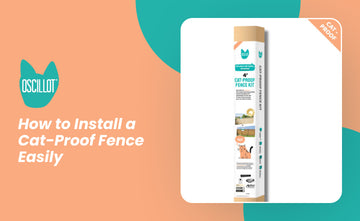
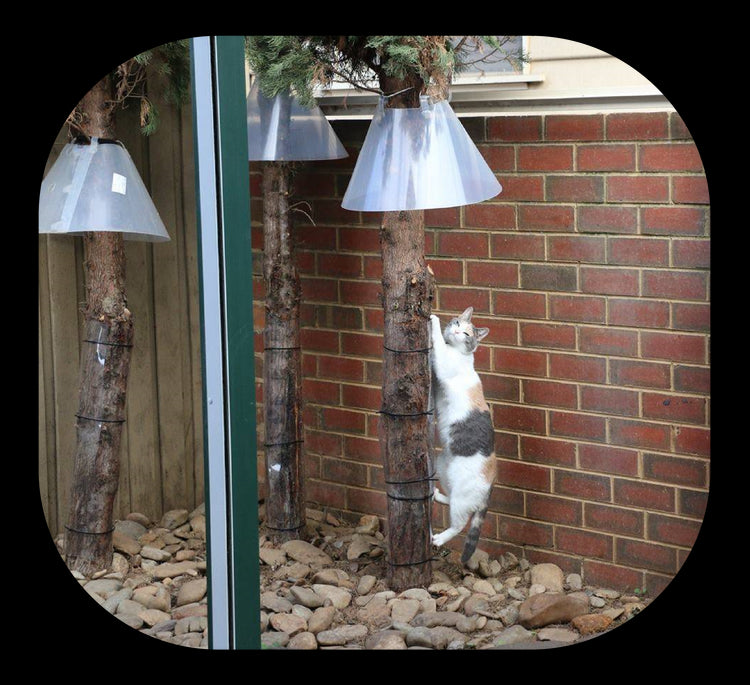
Winter installation also means your system will be ready by spring, when cats typically become more active and eager to explore. This forward-thinking approach prevents escape attempts during the seasonal transition when many cats go missing after being confined all winter. Records from European animal shelters show that spring has a big increase in lost cat reports, often because indoor cats suddenly get outdoor access without proper containment measures. By installing your system during winter, you'll be ready for this risky period.
Many professional installers have more free time during winter months, which might mean shorter wait times and sometimes winter discounts. The off-peak timing can make the process more convenient and cost-effective for European homeowners planning their cat containment solutions.
## Selecting the Right Cat Fence Kit for European Winter Conditions Choosing the right cat fence kit for winter installation requires thinking about your specific European climate zone and garden size. From the Nordic regions to Mediterranean countries, winter conditions vary greatly across Europe, and picking materials that can handle your local weather patterns is important for long-term effectiveness and durability.
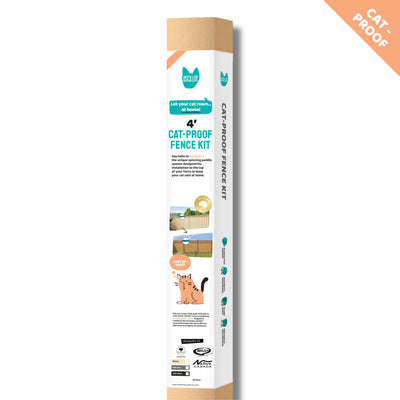
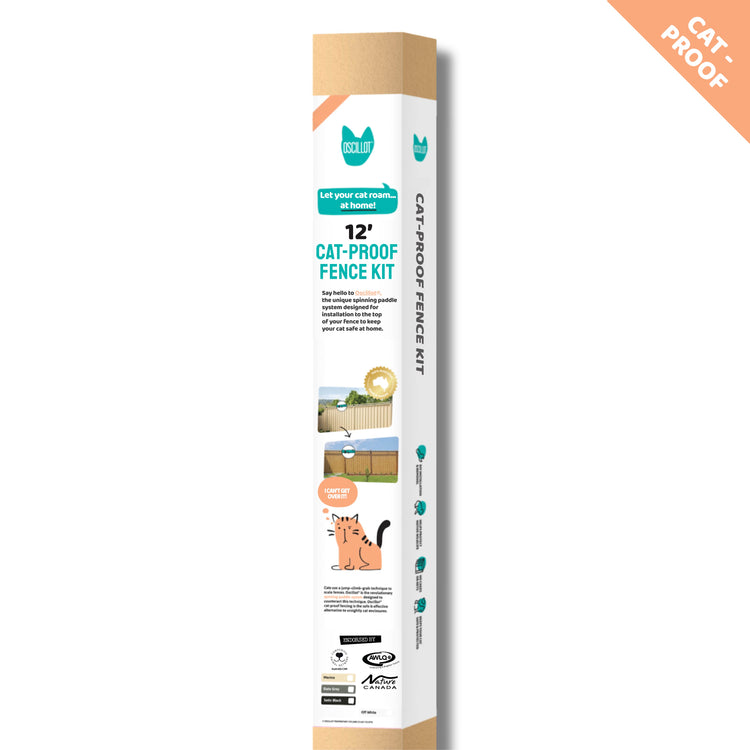
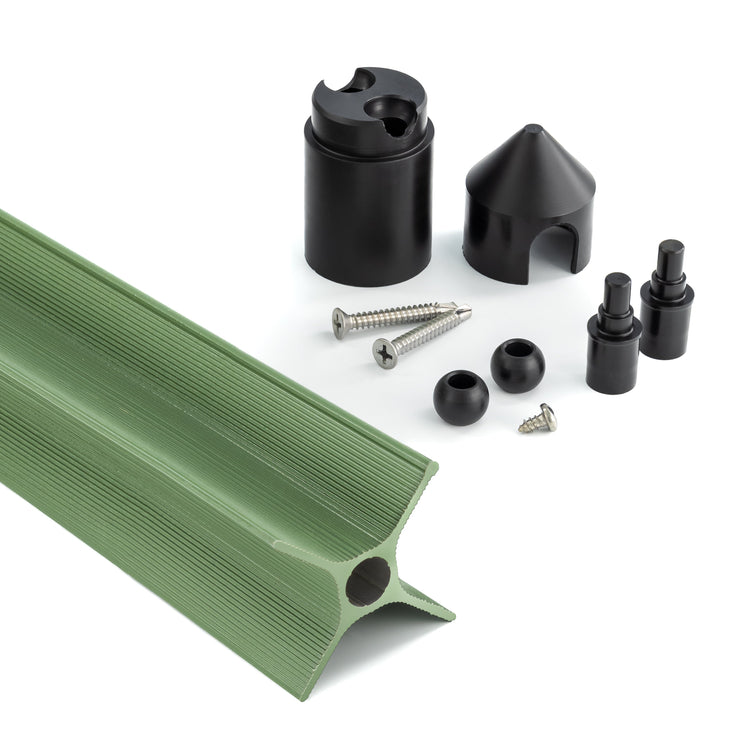
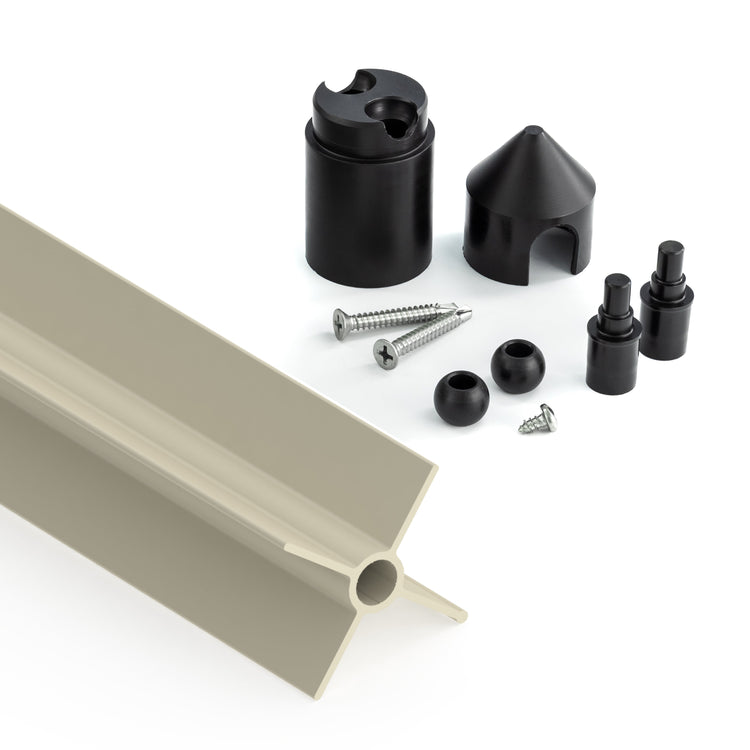
For medium-sized European gardens, consider the 3.7-Metre Cat-Proof Fence Kit (€159.99). This popular option balances coverage and installation complexity, making it good for winter projects. The kit includes durable, weather-resistant materials specifically designed for European weather conditions. The galvanized steel components resist rust from winter moisture, while the UV-stabilized plastic elements maintain their strength even in freezing temperatures, ensuring long life across different European climates from the UK to Poland.
Larger European properties may need the 12.4-Metre Cat-Proof Fence Kit or even the 37.2-Metre Cat-Proof Fence Kit for complete perimeter coverage. When installing these larger systems in winter, think about breaking the project into manageable sections to avoid long exposure to cold conditions. This section-by-section approach lets you complete the installation over several days if needed, which is especially helpful in Northern European countries where daylight hours are limited during winter months.
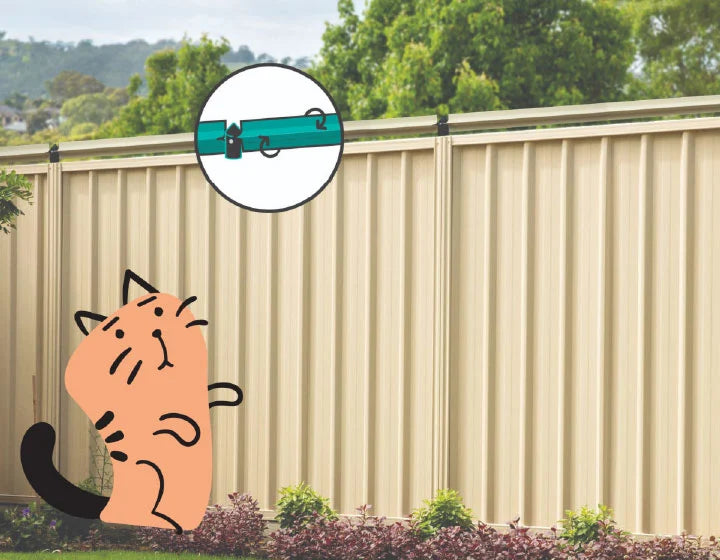
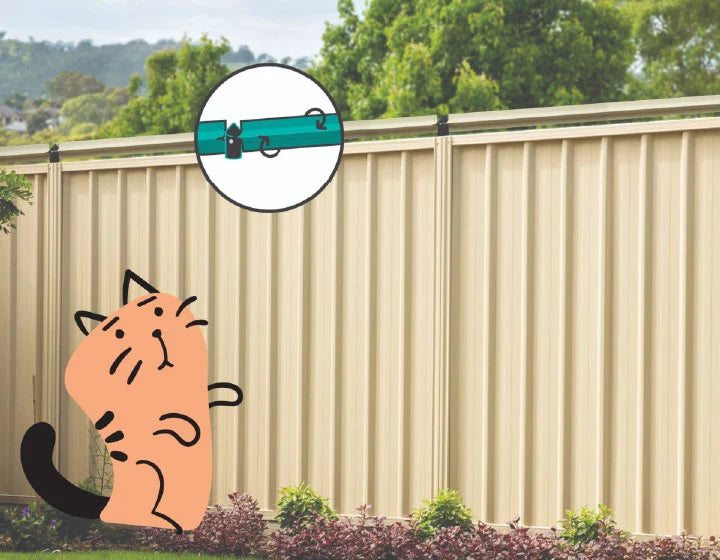
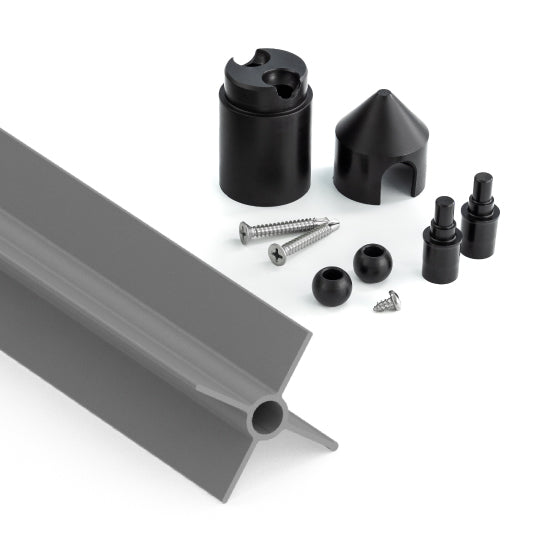
All Oscillot fence kits feature UV-resistant plastic and galvanized steel components that maintain their strength even in harsh European winter conditions. The materials won't get brittle in cold temperatures, ensuring a successful installation regardless of season. The system's rotating paddles are designed to work effectively even when exposed to snow and ice, making them suitable for year-round use across all European climate zones, from the snowy Alps to the windswept Atlantic coast.
## Essential Tools and Materials for Winter Installation Getting the right tools and materials before starting your winter installation will make the process much smoother and more comfortable. Cold weather requires some extra considerations beyond standard installation equipment, especially in European countries where winter temperatures can vary greatly from region to region.
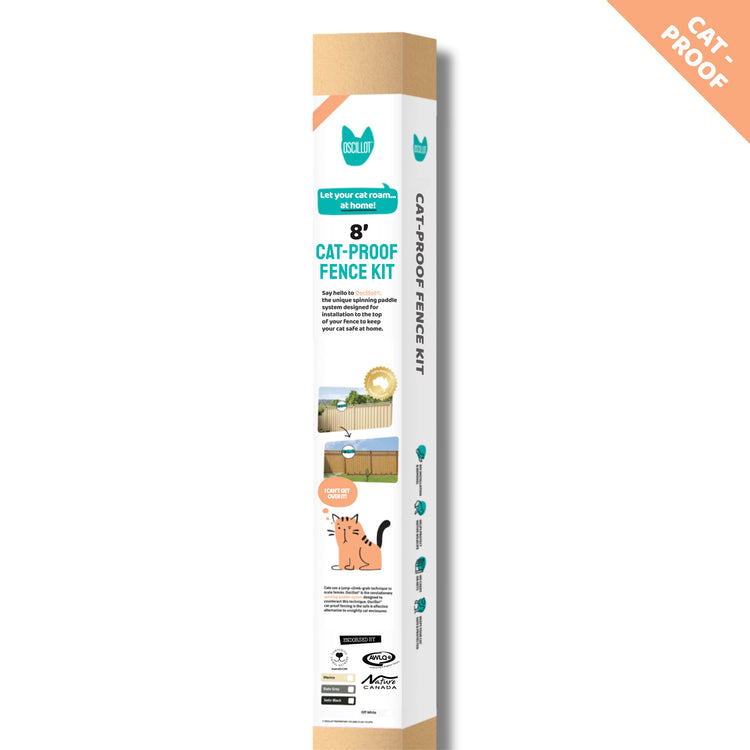
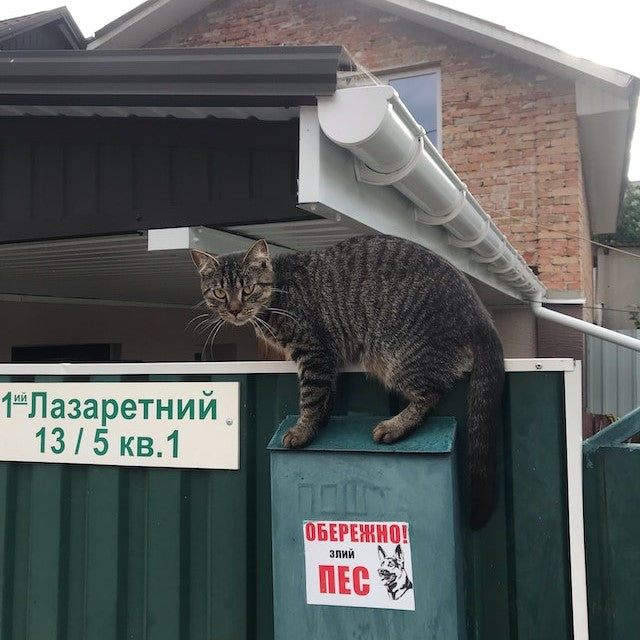
Store all components in a warm area before installation. Cold plastic and metal can be harder to work with and may become brittle or less flexible in freezing temperatures. Bringing components to the installation area only as needed helps maintain their workability. In Northern European countries, where temperatures can drop well below freezing, this temperature management becomes particularly crucial for successful installation.
For European installations, it's also worth considering region-specific tools. For example, in Nordic countries, specialized cold-weather adhesives may be necessary, while in more temperate regions like Spain or Italy, waterproofing materials might be more important than extreme cold protection. Adapting your toolkit to your specific European climate will ensure the most efficient installation process.
## Step-by-Step Winter Installation Process Installing a cat fence kit during winter requires some changes to the standard process. Follow these steps for a successful cold-weather installation across European environments, from the snowy landscapes of Sweden to the milder winter conditions of Portugal.
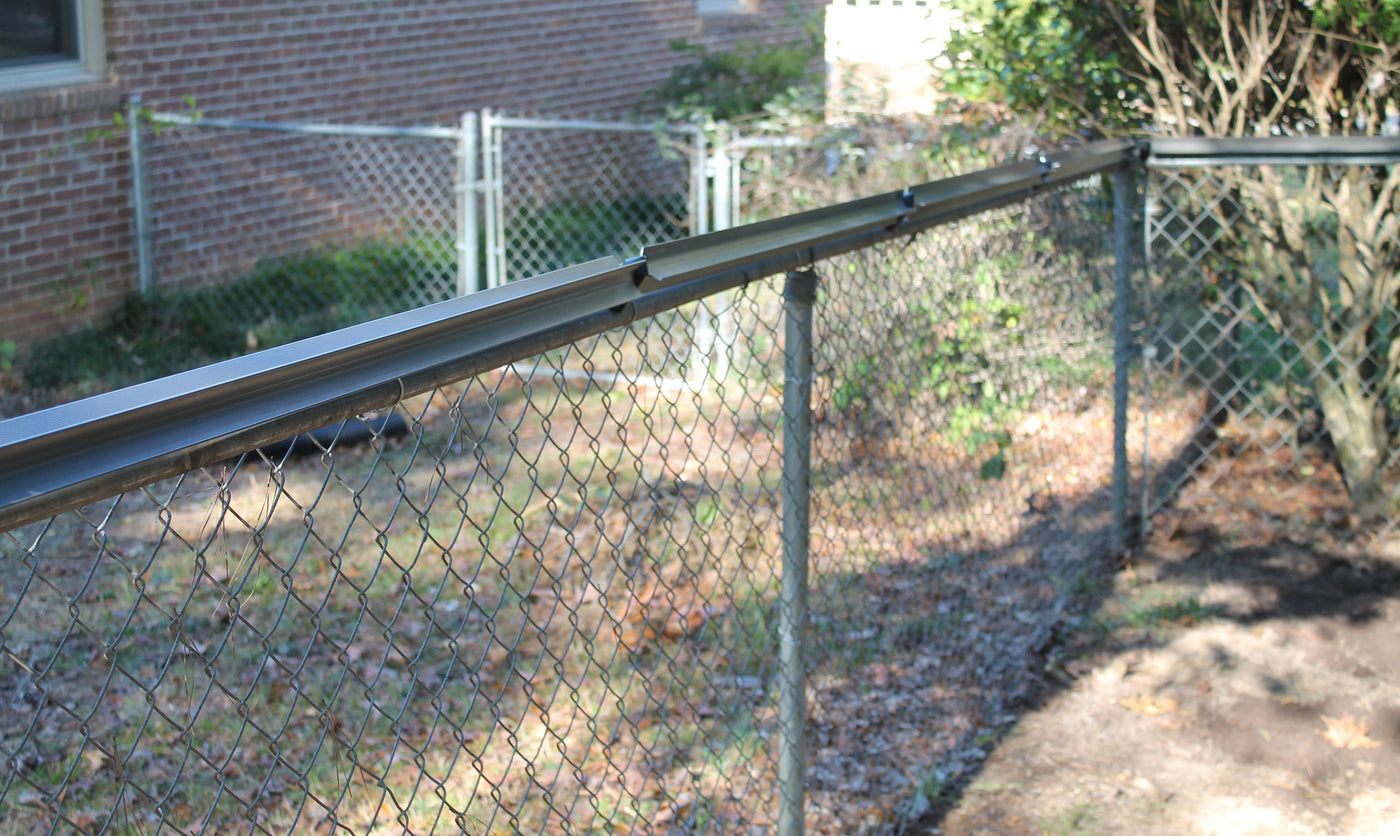
### 2. Prepare the Installation Area - Clear all snow and ice from the fence line where you'll be working using a snow shovel or brush - Use warm water to thaw stubborn frozen areas if necessary, applying it gradually to prevent thermal shock to existing structures - Create a snow-free workspace around the fence of at least 1-2 meters on each side - Lay down a tarp in your immediate work area to prevent components from getting wet or lost in snow - Mark your work zone clearly if leaving partially completed sections overnight For installations in regions with deep snow like Alpine areas or Northern Europe, consider clearing paths to different sections of the fence to make movement easier during installation.
### 3. Measure and Mark - Measure your fence perimeter carefully, accounting for corners and gates using metric measurements - Mark mounting bracket positions according to kit instructions, typically using weatherproof markers - For the 3.7-Metre Kit, brackets are typically placed at 1.2-meter intervals as standard across European installations - Use a brightly colored marker that will be visible against winter backgrounds like snow or dark, wet surfaces - Double-check measurements before drilling to ensure optimal coverage and function In European installations, be mindful of local building regulations that may specify maximum fence heights or setback requirements, which vary significantly between countries and even between municipalities.
### 4. Pre-Warm Components - Store all components indoors until just before use, maintaining them at room temperature - Consider using a portable heater in your work area to maintain workable temperatures - Keep small components in an insulated container to maintain temperature during installation - Warm metal components slightly before handling to prevent the metal from drawing heat from your hands - Allow components to acclimate briefly if moving from very warm to very cold environments to prevent condensation This temperature management is especially important in Northern and Eastern European countries where winter temperatures can drop significantly below freezing.
### 5. Install Mounting Brackets - Pre-drill holes if working with wooden fences to prevent splitting in cold, dry wood - For masonry walls, use a hammer drill with appropriate masonry bits designed for European construction materials - Attach brackets securely, ensuring they're level to prevent water accumulation - Work in sections to minimize time components spend in cold conditions, completing one area before moving to the next - Take regular warming breaks to maintain dexterity and prevent cold-related injuries For installations on European stone walls or concrete fences common in countries like Italy, Spain, or Greece, use anchors specifically designed for these materials.
### 6. Attach Paddles - Connect the rotating paddles to the mounting brackets following the sequence in the instruction manual - Ensure paddles rotate freely without obstruction, testing each one individually - In cold conditions, test rotation more frequently as components may contract slightly - Apply a small amount of silicone lubricant to moving parts if operating in below-freezing temperatures - Verify proper clearance between paddles and any adjacent structures or plants The rotating paddle system is the key security feature of Oscillot fences, so proper installation and testing are essential regardless of the European region you're installing in.
### 7. Test the System - Check all connections for security by gently testing each component - Verify that all paddles rotate smoothly in both directions - Inspect the entire perimeter for gaps or potential weak points that might allow escape - Test the system from a cat's perspective, looking for potential climbing points - Make adjustments as needed before finalizing the installation In windy European coastal regions, pay special attention to securing components that might be affected by strong winter winds.
### 8. Final Weather Sealing - Apply additional weather sealant to exposed connections to prevent moisture ingress - Ensure all screws and fasteners are properly tightened to prevent loosening during freeze-thaw cycles - Remove any snow that may have accumulated during installation - Check that drainage channels remain clear to prevent water buildup - Document your installation with photos for future reference and maintenance For detailed guidance specific to your fence type and region, consult the comprehensive installation guide included with your kit, which includes specific adaptations for various European fence types and construction materials.
## Overcoming Common Winter Installation Challenges Winter installations present unique challenges across different European regions. Being prepared for these obstacles will help ensure a smooth and successful project, whether you're dealing with the extreme cold of Finland or the wet winters of the United Kingdom.
**Solution:** Use a thermos of hot water to thaw small areas where you need to work. Pour the water slowly and allow it to soak in for several minutes before trying to drill or dig. For severely frozen ground, consider using specialized ground-thawing equipment available for rent at most European hardware stores. In extreme cases, some installers in Nordic countries use electric heating blankets designed specifically for thawing frozen ground before construction or installation projects.
### Limited Daylight Winter days are much shorter across Europe, particularly in Northern countries like Sweden, Norway, and Finland, where daylight may last only 4-6 hours during midwinter, giving you less time to work with natural light.
**Solution:** Plan your installation to maximize available daylight hours. Start early and have additional lighting ready for when daylight fades. Headlamps are particularly useful as they keep your hands free for installation work. Consider breaking the project into multiple days if necessary. In Scandinavian countries, some installers use light-reflective tarps to maximize available light, and portable LED work lights designed for construction in dark conditions are essential equipment.
### Cold-Related Dexterity Issues Cold temperatures can reduce finger dexterity, making it difficult to handle small components and tools, a particular challenge in countries with extreme winter temperatures like Finland, Sweden, and mountainous regions across Europe.
**Solution:** Wear thin thermal glove liners under fingerless work gloves to maintain both warmth and dexterity. Keep hand warmers in your pockets and take regular breaks to warm your hands. Have a thermos of warm (not hot) water available to dip hands into if they become too cold. In extremely cold European climates, professional installers often use specialized work gloves with heating elements powered by rechargeable batteries, which maintain hand temperature while allowing for precise work.
### Snow Accumulation During Installation Fresh snowfall during installation can create visibility issues and make components difficult to find if dropped, a common challenge across Central and Northern European countries during winter months.
**Solution:** Work under a temporary canopy or tarp if snow is expected. Use a brightly colored tarp as your work surface to make dropped components easier to spot. Keep a brush handy to regularly clear snow from your work area. In regions with frequent snow, such as Alpine areas or Scandinavia, some professional installers bring portable tent-like structures that can be quickly set up over the work area to create a snow-free installation environment.
### Material Brittleness Some plastics and composites can become brittle in extreme cold, increasing the risk of cracking during installation, particularly in Northern European regions where temperatures can drop well below -20°C.
**Solution:** Store all components in a warm environment until just before use. Work with components in small batches, keeping unused pieces warm. Avoid forcing components together in cold conditions; if resistance is met, warm the pieces before proceeding. In extremely cold regions, professional installers sometimes use specialized warming boxes powered by portable generators to maintain component temperature throughout the installation process.
For additional guidance on securing your garden during winter storms, consult our specialized resources for European weather conditions, which include region-specific recommendations for different European climate zones.
## Post-Installation Winter Maintenance Once your cat fence system is installed, proper winter maintenance ensures it remains effective throughout the cold season and for years to come. European weather patterns can be particularly challenging for outdoor structures, making regular maintenance essential.
### Ice Management - Carefully remove ice buildup from moving parts using warm water rather than direct force - Use pet-safe de-icing products if necessary, avoiding chloride-based products that may corrode metal components - Never use sharp tools that might damage the system or compromise waterproof seals - Check that paddles can rotate freely after icy conditions, testing each section methodically - Apply silicone lubricant after de-icing to prevent water from refreezing in moving parts In regions with frequent freeze-thaw cycles like Central Europe, professional maintainers recommend weekly checks during winter months to prevent ice accumulation from compromising system functionality.
### Spring Transition Checks - Perform a comprehensive system inspection as winter ends, particularly important after first winter installation - Look for any frost heave that may have affected fence posts, a common issue in areas with clay soils - Clean all components thoroughly to remove winter debris and salt residue that might cause corrosion - Apply protective treatments to extend system life through the coming seasons - Check ground conditions around fence posts for erosion or water damage from winter precipitation For detailed guidance on weatherproofing your cat containment system and ensuring your cat's winter safety, consult our specialized European resources, which include region-specific maintenance recommendations based on local climate patterns.
## Introducing Your Cat to the New Fence System in Winter Once your cat fence kit is installed, introducing your cat to the system requires special consideration during winter months. European cats may have different tolerance levels for cold weather depending on breed and acclimatization.
### Winter Comfort Considerations - Create sheltered areas within the contained space, positioning them away from prevailing winds - Provide a heated outdoor shelter if your cat will spend extended time outside, with multiple entrance/exit points - Clear snow from favorite paths and resting spots to encourage exploration of the entire contained area - Consider a heated water bowl for outdoor hydration, essential in below-freezing conditions - Create windbreaks in areas where your cat likes to sit using natural features or purpose-built structures In Northern European countries, heated cat shelters are widely available and specifically designed for outdoor cats in extreme cold. These shelters maintain temperatures around 20°C even when external temperatures drop well below freezing.
### Monitoring Behavior - Watch for signs of cold stress (shivering, seeking shelter, reluctance to move, lifting paws frequently) - Limit outdoor time based on temperature and your cat's tolerance, which varies significantly between breeds - Some cats may need coats for winter outdoor time, especially short-haired breeds common in Southern Europe - Older cats and kittens typically have lower cold tolerance and should have particularly supervised introduction - Gradually increase outdoor time as your cat becomes comfortable with both the containment system and weather conditions Veterinary guidelines across Europe generally suggest limiting unsupervised outdoor time when temperatures drop below 0°C for most domestic cats, with exceptions for cold-adapted breeds with thick undercoats.
For more guidance on helping your cat adjust to containment systems, refer to our comprehensive European guide with behavior tips specific to different cat personalities, from the bold explorer to the cautious homebody.
## Winter Safety Tips for Outdoor Cats Even with a secure fence system, winter presents unique safety considerations for cats spending time outdoors in European gardens. Understanding these challenges helps ensure your cat remains safe and comfortable throughout the cold season.

### Winter Hazards to Address - Antifreeze is extremely toxic to cats - clean up any spills immediately and store products securely - Salt and ice melters can irritate paw pads - use pet-safe varieties and wipe paws after outdoor time - Check for ice on any water features within your garden, as cats may attempt to drink from frozen surfaces - Remove icicles that could fall in areas where your cat frequents to prevent injury from falling ice - Be aware of potential hiding spots under garden structures where cats might become trapped by snow or ice European animal welfare organizations report increased emergency vet visits during winter months for cold-related injuries and toxin exposure, making preventative measures particularly important.
### Paw Care - Check paws regularly for signs of cold injury or irritation, looking for cracking, redness, or ice buildup - Wipe paws when cats come inside to remove salt, chemicals, or ice that might be ingested during grooming - Consider paw wax products designed to protect against winter conditions, widely available from European pet suppliers - Watch for signs of discomfort when walking on cold surfaces, such as limping, frequent stopping, or paw lifting - Trim fur between toe pads to prevent ice ball formation, which can cause painful walking and potential frostbite Veterinarians across Europe report increased paw-related issues during winter months, with salt exposure and ice injuries being particularly common in urban areas.
For comprehensive guidance on weatherproofing your cat containment system and ensuring your cat's winter safety, consult our specialized European resources, which provide detailed recommendations based on decades of experience across diverse European climates.
## Conclusion: Enjoying a Safe Winter Garden with Your Cat Installing a cat fence kit during winter provides immediate benefits for both you and your cat, allowing safe outdoor access even during the colder months while preventing the frustration and behavior problems that often come with extended indoor confinement.
The benefits of winter installation are big. Your cat gets immediate access to safe outdoor space rather than waiting months for spring. This access can really improve your cat's mental and physical health during the winter months when many cats suffer from reduced activity and stimulation. European vets increasingly recognize the importance of environmental enrichment for cats, with safe outdoor access being particularly valuable for preventing stress-related behavior issues.
Remember that winter maintenance is crucial for system longevity. Regular checks after snow, ice, or wind will ensure your containment system remains effective throughout the season. By fixing any issues promptly, you'll extend the life of your investment and maintain a secure environment for your cat. The modular design of Oscillot systems makes repairs and maintenance straightforward, with replacement parts readily available throughout Europe.
By following the guidelines in this article and consulting the detailed installation instructions included with your kit, you'll create a safe outdoor haven that both you and your cat can enjoy regardless of season. Your investment in winter installation will pay off immediately in improved feline wellbeing and your peace of mind, knowing your cat can safely enjoy the outdoor environment throughout the year.
Winter Cat Fence Installation Checklist
- Check weather forecast for installation day
- Gather all tools and materials before starting
- Clear snow and ice from installation area
- Store components in warm area until needed
- Wear appropriate cold-weather work gear
- Take regular warming breaks
- Test all moving parts after installation
- Apply weather sealant to exposed connections
- Schedule regular maintenance checks
- Introduce cat to system gradually on mild days



Leave a comment