


Outdoor Cats In Winter: How To Build Safe, Sheltered Rest Zones In Australian Backyards

Across the world an estimated 3.2 million cats enter shelters each year, and many arrive sick or injured after exposure to harsh weather, which is why designing warm, sheltered outdoor rest zones for cats in cold climates is becoming a priority for carers and councils alike.
Key Takeaways
| Common Question | Practical Answer (with resources) |
|---|---|
| How do we stop cats roaming while still giving them outdoor winter space? | Use a secure perimeter like the Oscillot® cat-proof fence system so winter rest zones sit inside a safe, enclosed yard. |
| What size should a winter cat shelter be? | A widely used guideline is at least 12 x 18 x 12 inches for one cat and 24 x 24 x 18 inches for 3–4 cats, keeping the interior snug so body heat is retained. |
| How can we plan fencing around rest zones in an Australian yard? | Measure your boundary and obstacles before building, using tools like the Oscillot® yard measurement guide to plan secure, sheltered areas. |
| What materials keep outdoor cats warm and dry? | Weatherproof walls and roofs, raised floors, and straw bedding are best, while fabrics that hold moisture should be avoided to prevent chilling. |
| Can DIY cat-proof fencing work with existing winter shelters? | Yes, DIY kits like the 6 metre Cat-Proof Fence Kit (DIY) let us secure just the sections that protect our chosen resting zones. |
| How do we estimate how much fencing we need for a winter cat area? | Use planning tools such as the cat fence calculator to match kit length to the space that will enclose shelters, feeding stations, and play areas. |
| Is DIY installation realistic for most Australian homes? | Oscillot® was designed for simple DIY installation on 1.8 m or higher fences, and the installation guide walks through typical Australian timber, metal, and brick boundaries. |
1. Why Winter Rest Zones Matter For Outdoor Cats In Australia
Australian winters may be milder than European or North American climates, but in cities like Canberra, Hobart, Melbourne, and the Adelaide Hills, overnight temperatures regularly drop low enough to put outdoor cats at risk of hypothermia and respiratory illness. About one-third of owned pet cats worldwide spend at least some time outdoors, and millions of unowned cats live outside full time, so thoughtful winter rest zones can impact a huge population.
In our own work with Australian households, we see how quickly wind chill, wet grass, and cold paving sap a cat’s body heat, even when daytime temps feel comfortable to us. By combining weather-sheltered rest spots with secure fencing, we can let cats enjoy fresh air and natural behaviour while still keeping them safe from traffic, roaming dogs, and winter exposure.
Key goals for a winter rest zone
We design every winter outdoor space for three outcomes. The zone must keep cats warm and dry, contained and safe, and mentally stimulated with perches and vantage points.
Those aims guide our choices of fencing, shelter placement, bedding, and access routes around the yard.
2. Planning A Safe, Enclosed Winter Territory
Before we build any shelter, we secure the territory, which is especially important in winter when cats seek warmth in risky places like car engines or neighbouring sheds. A contained yard means we can place rest zones exactly where they are warmest and easiest to monitor.
Oscillot® cat-proof fencing systems are designed specifically for Australian backyards with 1.8 m or higher fences, so they integrate with typical Colorbond, timber, or brick boundaries. The system uses spinning paddles on top of the fence to prevent climbing, rather than netting that can sag or trap wildlife.
Choosing the right kit length for your winter zone
We usually start by measuring only the sections that enclose the winter rest area, not necessarily the entire property boundary. For compact courtyards or alley-style runs, smaller DIY kits can be enough to create a safe winter circuit.
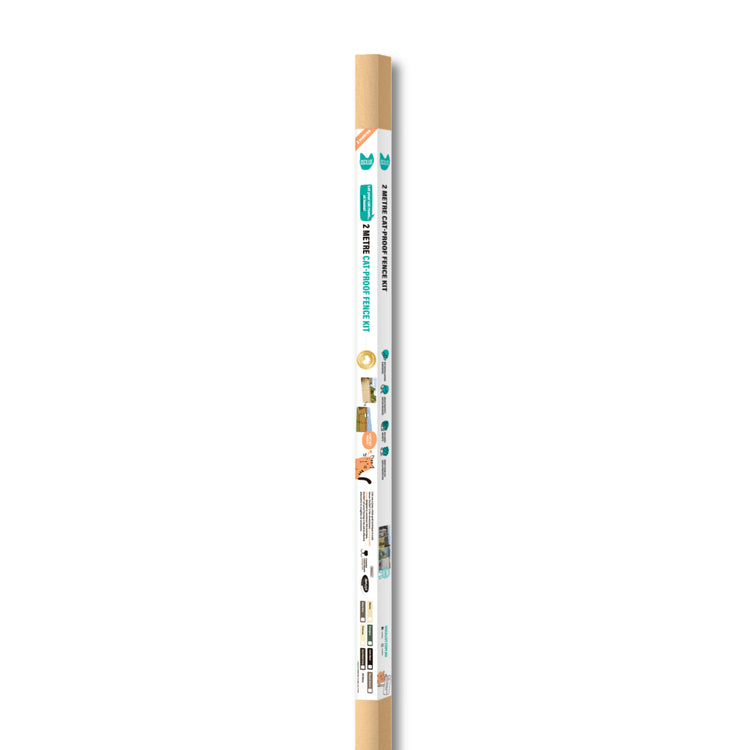
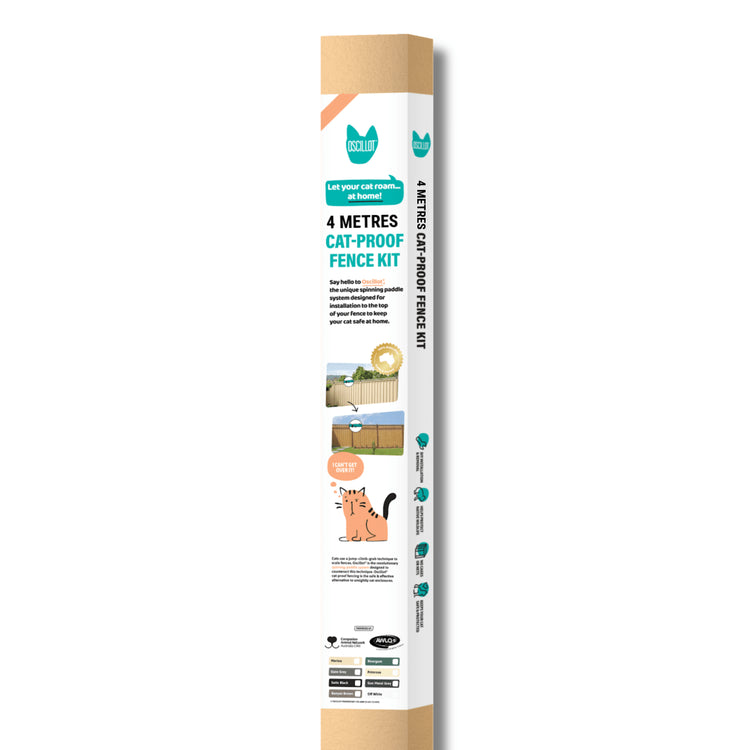
The 2 metre Cat-Proof Fence Kit (DIY) at $98.00 is ideal for short segments, while a 4 metre Cat-Proof Fence Kit (DIY) at $151.00 suits side returns or between-gate spans where we position shelters under eaves or pergolas.
3. Measuring Your Yard Around Winter Rest Zones
Accurate measurements prevent gaps that could expose cats to wind or escape routes during winter. In Australia we often work with mixed boundaries, for example Colorbond at the back and timber on the sides, which affects how many paddles and posts we need.
We walk the boundary that will enclose our winter rest area, noting corners, changes in fence height, gates, and retaining walls. Careful planning lets us place shelters along the warmest fence lines without unexpected obstacles during installation.
Using measurement tools to map winter-friendly spots
Oscillot’s yard measurement resources are especially useful when we integrate shelters and fences in one project. By mapping each run, we make sure paddles do not interfere with roofs or tree branches that could shade or drip onto our shelters.
Once the perimeter is clear on paper, we can choose which segments to weatherproof further with windbreaks, and where to cluster huts, feeding stations, and litter trays for easy winter access.

Discover the five key elements of winter-proof outdoor cat rest zones. Learn how to design sheltered, weather-resistant spaces that keep cats safe and comfortable in cold climates.
4. Designing The Structure: Size, Openings, And Insulation
A winter rest shelter works best when it is just large enough for the number of cats that will use it, since smaller interior spaces hold heat more effectively. A practical benchmark is about 12 x 18 x 12 inches for one cat, and 24 x 24 x 18 inches for a small group, which suits both owned backyard cats and managed colonies that wander through Australian suburbs.
We recommend one main entry around 5 to 6 inches in diameter or width, so warmth stays inside and larger animals cannot easily enter. In colder regions like inland New South Wales or Victoria’s high country, we sometimes add a lightweight internal baffle wall to cut wind across the sleeping area.
Insulation and flooring choices
We always raise the shelter off the ground with pavers, timber slats, or a pallet, which reduces contact with cold, wet soil or concrete. Walls and roofs need to be water resistant, with minimal seams where rain can seep in during winter storms.
Inside, straw is the gold standard for bedding because it repels moisture and traps warm air around the cat’s body, while blankets or hay tend to hold water and can become mouldy in Australian humidity.

5. Choosing The Warmest Locations In An Australian Yard
Placement is as important as the shelter itself, because even a well-built box will stay cold if it sits in a wind tunnel or on permanently damp soil. We look for spots that receive winter sun, are shielded from southerly winds, and sit close to the house for easy monitoring.
Under eaves, against a north or north-east facing wall, or inside a covered side passage often work well in Australian climates. Where we have Oscillot® paddles installed, we align shelters under the highest, most protected stretches of fence so cats feel secure while they rest.
Combining fences and microclimates
In larger gardens, a longer kit like the 12 metre Cat-Proof Fence Kit (DIY) at $439.00 or the plastic perimeter kits up to 180 or 200 metres help us capture whole warm corners as dedicated winter cat zones. This lets us group multiple shelters, scratching posts, and feeding spots without worrying about roaming onto cold, exposed verges.
We also watch for roof drip lines and low points where rain pools, then shift shelters slightly higher or onto artificial turf pads to keep bedding dry through winter downpours.

6. Integrating Oscillot® Fencing With Winter Rest Zones
Oscillot® paddles are particularly useful in winter because they reduce the need for netting, which can catch debris, sag under rainfall, and create cold, shady pockets above shelters. By fixing paddles to the top of existing fences, we keep the rest zone perimeter clean, airy, and easy to maintain.
The system is non-electric and wind resistant, so it performs well in winter storms that are common along the south-east Australian coast. Cats stay safely inside the yard, but they still experience fresh air, natural light, and the behavioural benefits of outdoor time.
DIY kit options for different-sized winter zones
When we design for an inner-city courtyard or townhouse balcony garden, a compact 4 metre Cat-Proof Fence Kit (DIY) is often enough to block the key escape routes around shelters. In medium suburban backyards, the 6 metre Cat-Proof Fence Kit (DIY) at a sale price of $219.00 (regular price $313.00) usually covers the main run behind the house where we cluster winter structures.
For sprawling rural or semi-rural properties, we might combine several kit lengths or use long plastic paddle runs to enclose a warm, central cat hub near the house, instead of trying to secure the entire acreage.

7. Hardware And Fixings For Reliable Winter Performance
Good hardware keeps fencing and shelters stable through winter winds and heavy rain. In Australia, many of our clients have mixed construction fences, such as Colorbond panels between brick pillars, so we rely on modular posts and brackets that can adapt to each surface.
The Oscillot® Dual Knuckle Post Kit at around $22.00 is designed for timber, metal, and brick fences, which makes it a flexible option when we are enclosing a dedicated winter rest section of the yard.
Why strong fixings matter in cold, wet weather
Loose fittings can create rattling noises that make some cats nervous, and in strong coastal winds they may allow paddles to shift or gap. By using purpose-built knuckle posts and recommended screws for each fence material, we help the whole system stay quiet and solid through winter conditions.
This stability lets cats relax inside their shelters and around the yard, rather than being startled by banging netting or temporary barriers every time a cold front hits.


8. Bedding, Feeding, And Daily Winter Care
Once the structural work is done, daily care details make the difference between a shelter that is merely tolerable and one that truly protects cats in cold, wet weather. We prioritise dryness first, warmth second, and convenience for both carers and cats third.
Straw remains our bedding material of choice for outdoor winter shelters because it sheds water and compresses into cosy nests that trap body heat. We top up or fully replace it after heavy rain, especially in humid regions like coastal New South Wales or Queensland’s higher altitudes.
Feeding and water in cold conditions
We do not place food inside the sleeping compartment, since that can attract insects or wildlife, but we keep feeding stations and water bowls under cover nearby. Raised, sheltered feeding shelves along a secured fence line work very well in Australian backyards.
In frost-prone areas, wide, shallow water bowls are easier to monitor and refresh if ice forms overnight, and keeping them under eaves reduces the likelihood of freezing in the first place.

9. Australian-Friendly Materials And Weatherproofing Tips
Australia’s winter conditions vary wildly, from damp coastal winds to dry, frosty inland mornings, so our material choices must handle both moisture and temperature swings. For shelter walls we often recommend marine-grade plywood, insulated plastic tubs, or repurposed esky-style boxes that resist rot and are easy to clean.
Roofs should overhang entry points to prevent rain being blown directly into the sleeping area, and clear polycarbonate panels can add light while still blocking wind. Where cats are contained with Oscillot® fencing, we can also attach lightweight windbreak panels to fence posts without worrying about cats using them as launch pads to escape.
Keeping structures stable and discreet
We anchor shelters so they cannot tip in strong winds or be dragged by curious dogs, using pavers, ground spikes, or brackets fixed to fences. Painting exteriors in neutral tones that match the fence or garden also helps them sit unobtrusively in Australian neighbourhoods where visual impact matters.
Regular winter checks for mould, leaks, and sharp edges are part of our routine, particularly after east-coast lows or strong cold fronts that can drive rain sideways into unexpected gaps.
10. Step‑By‑Step: Building A Simple Winter Rest Zone In Your Aussie Backyard
To pull all of this together, we often guide Australian cat guardians through a simple, repeatable process. The goal is a secure, dry, and inviting winter territory that can be built over a few weekends.
- Secure the perimeter: Identify the section you want to use and install the appropriate Oscillot® DIY kit along that run, using dual knuckle posts where needed for mixed-material fences.
- Choose the warmest spot: Stand in the yard at different times of day in winter and note where the sun falls and wind is weakest, then mark that area for shelters.
- Build or place shelters: Use weatherproof boxes or premade structures sized to the number of cats, raise them off the ground, and keep openings small.
- Add bedding and feeding: Fill sleeping areas with straw, set up covered feeding and water stations nearby, and add simple enrichment like scratching posts.
- Monitor and adjust: Watch how cats use the space, check for leaks or draughts after storms, and adjust placement or insulation as needed.
Australian families can further fine tune their design by reviewing real-world installations in the Oscillot® gallery, then adapting those layouts to emphasise winter sun and shelter. Over time, these zones become familiar, trusted safe spots that cats return to whenever temperatures drop.
Conclusion
Winter rest zones let Australian cats enjoy the benefits of outdoor life while staying protected from cold, wet, and dangerous conditions. By combining secure Oscillot® cat-proof fencing with well-designed shelters, thoughtful placement, and appropriate bedding and care, we create outdoor spaces that keep cats safe, comfortable, and close to home through every winter season.
Whether you care for a single elderly indoor-outdoor companion in Melbourne or a small colony visiting your Sydney backyard, a planned winter rest zone is one of the most practical, life-improving projects we can complete for the cats who share our neighbourhoods.



Leave a comment