


How to Safely Install Cat Fence Kits in Winter: An Australian Guide

Essential Points for Winter Cat Fence Installation in Australia
- Plan your installation during milder winter days to ensure proper adhesive setting
- Choose the right fence height (minimum 1.83m recommended) for effective cat containment
- Consider Australian weather variations when selecting installation materials
- DIY kits are available in various sizes from 8m to 140m to suit different property needs
- Allow extra time for installation during winter conditions
- Reinforce your fence against extreme weather common in Australian regions
Key Takeaways for Winter Cat Fence Installation
| Regional Considerations | Northern Australia requires UV-resistant materials while southern states need frost-resistant adhesives |
| Timing | Install between 10am-2pm when temperatures are highest; allow 48-72 hours for adhesives to cure in winter |
| Material Choice | Metal systems offer better durability in extreme conditions; plastic systems provide easier handling in cold weather |
| Wildlife Protection | Winter installation ensures systems are ready before spring breeding season when wildlife is most vulnerable |
| Maintenance | Monthly checks recommended during winter; inspect after severe weather events common in Australian winters |
Introduction: Cat Containment Solutions for Australian Winters
Australia's unique climate presents specific challenges when installing cat containment systems during winter months. While our winters may be milder than other parts of the world, regional variations from the tropical north to the cooler southern states require careful consideration when installing cat fence systems.At Oscillot, we understand the importance of keeping your cats safely contained within your property boundaries while protecting Australia's native wildlife. Our Australian-made cat-proof fence systems are designed to work effectively year-round, including during the winter months when installation conditions can vary dramatically across our diverse continent. From the tropical climates of Far North Queensland to the frosty mornings of Tasmania, our systems are engineered to withstand Australia's varied environmental challenges.


1. Preparing for Winter Installation in Australia
Winter in Australia varies dramatically depending on your location. In northern regions, winter brings dry, mild conditions, while southern states experience cooler, sometimes wet weather. These variations require different preparation approaches to ensure successful cat fence installation that will stand the test of time and weather.Assessing Your Property's Winter Conditions
Before beginning your installation, take time to assess your property's specific winter characteristics:-
Northern Australia: Focus on UV protection and heat-resistant materials even in winter, as temperatures remain relatively warm. In places like Darwin or Cairns, winter days can still reach 25-30°C, making it important to choose materials that won't degrade in sunshine. The dry season in these regions actually provides ideal installation conditions with predictable weather patterns and minimal rainfall interference.
-
Southern Australia: Consider frost protection and moisture resistance, particularly in places like Melbourne, Hobart or Adelaide where overnight temperatures can drop below 5°C, affecting adhesive setting times. Morning dew and condensation can also impact surface preparation, requiring additional drying time before application of adhesives or mounting components.
-
Coastal Areas: Plan for salt spray and stronger winds that can affect installation, especially along the extensive Australian coastline where approximately 85% of Australians live within 50km of the ocean. Winter storms can bring particularly challenging conditions to coastal areas, with stronger winds and increased salt spray that can affect both installation processes and long-term durability.
-
Inland Regions: Prepare for significant temperature fluctuations between day and night, particularly in areas like central NSW or Victoria where daytime temperatures might be comfortable but nights can be quite cold. These temperature swings can affect material expansion and contraction, requiring careful consideration of fixing methods and material selection.


Timing Your Installation
In Australia, winter installation requires careful timing to ensure optimal results:1. Check your local weather forecast and plan for a period of at least 2-3 days without rain. This is particularly important in southern states like Victoria and Tasmania where winter rainfall is more common. Using the Bureau of Meteorology's detailed regional forecasts can help you identify the perfect installation window for your specific location.
2. Aim for installation during the warmest part of the day, typically between 10am and 2pm when temperatures are at their peak, even in winter. This timing is especially critical in southern regions where winter temperatures may only reach acceptable levels for a few hours each day.
3. Allow extra time for adhesives to cure in cooler temperatures. What might take 24 hours in summer could require 48-72 hours in winter conditions, especially in southern states. Some professional installers recommend adding an additional 24 hours of curing time for every 5°C below the optimal application temperature of 20°C.
4. Consider seasonal factors like school holidays if you need additional help. The June/July school holiday period in Australia can be an ideal time to tackle installation projects with family assistance, providing extra hands while also teaching younger family members about responsible pet ownership and wildlife protection.
Our detailed installation guide provides step-by-step instructions that can be adapted for winter conditions across Australia, with specific considerations for regional variations in climate and weather patterns.
2. Selecting the Right Cat Fence Kit for Your Australian Property
The size and layout of your property will determine which cat fence kit is most appropriate. Our range includes options for properties of various sizes, from small urban yards to large rural properties, ensuring every Australian cat owner can find a suitable containment solution regardless of their property dimensions.Available Kit Options
1.
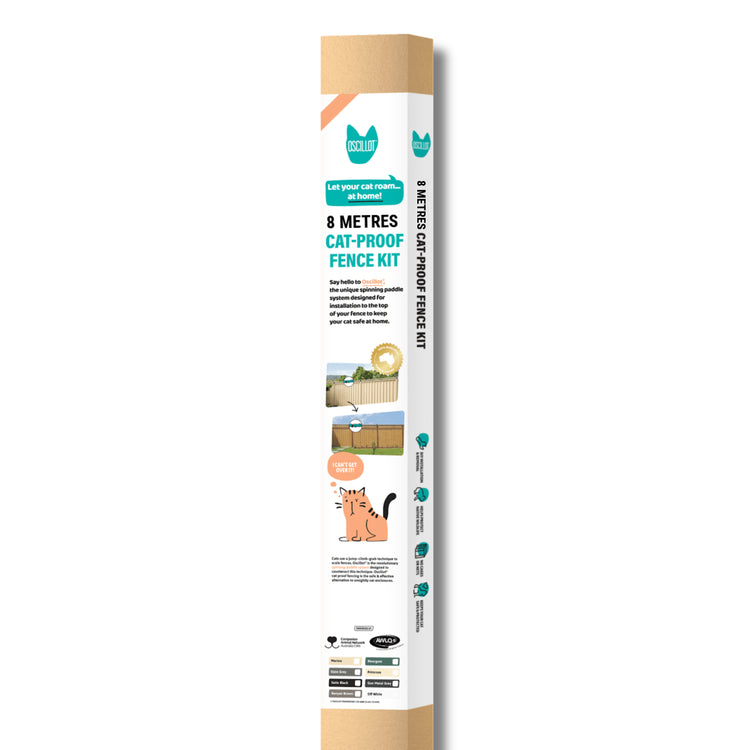
8 metre DIY Kit ($249.99): Perfect for small gardens or specific escape areas in urban Australian homes - Includes 4 paddles and 6 post kits - Gun Metal Grey finish - Ideal for smaller urban properties in cities like Sydney or Melbourne where space is at a premium - Particularly suitable for townhouses or units with limited outdoor space but where cat containment is still essential
2.
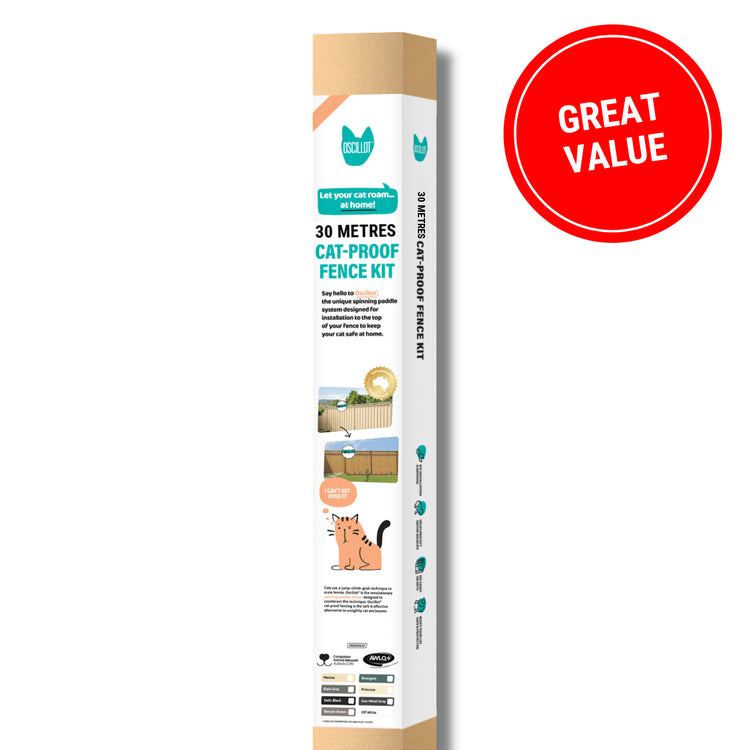
30 metre DIY Kit ($299.00): Our most popular size for average suburban yards - Grey metal color - Complete with all necessary components - Suitable for standard Australian quarter-acre blocks common in outer suburbs - Designed to accommodate the typical backyard perimeter in established Australian suburbs
3.
60 metre DIY Kit (AUD 499): Ideal for larger properties - Gun Metal Grey finish - Includes all necessary components - Perfect for larger Australian suburban blocks or small acreages - Provides comprehensive coverage for properties with extended boundaries or multiple containment areas
4.
100 metre DIY Kit: Perfect for rural properties - Includes 50 paddles and 64 dual knuckle post kits - Gun Metal Grey finish - Designed for larger Australian rural properties where protecting both cats and native wildlife is essential - Offers extensive coverage for properties with significant perimeters or multiple fence lines requiring protection
In winter conditions, having the right amount of materials is crucial as making additional trips to suppliers can delay installation and expose materials to changing weather. Explore our full range of cat proof fence kits to find the perfect solution for your Australian property, whether you're in a compact inner-city terrace or a sprawling rural homestead.
3. Material Considerations for Australian Winter Conditions
Our cat fence systems are designed to withstand Australia's diverse climate conditions, from the tropical north to the temperate south. The materials we use have been specifically selected and tested to ensure durability and effectiveness across all Australian environments, including during the challenging winter months.Metal vs. Plastic Systems


Metal Systems (Gun Metal Grey)
- More durable for extreme weather conditions common in Australian winters - Better suited for southern states with higher rainfall like Victoria and Tasmania - Resistant to UV degradation in harsh Australian sun, even during winter months - Requires minimal maintenance over time, ideal for the Australian lifestyle - Superior wind resistance, which is particularly important in coastal areas where winter storms can bring strong gusts - Longer lifespan in harsh conditions, offering better long-term value despite higher initial investmentPlastic Systems
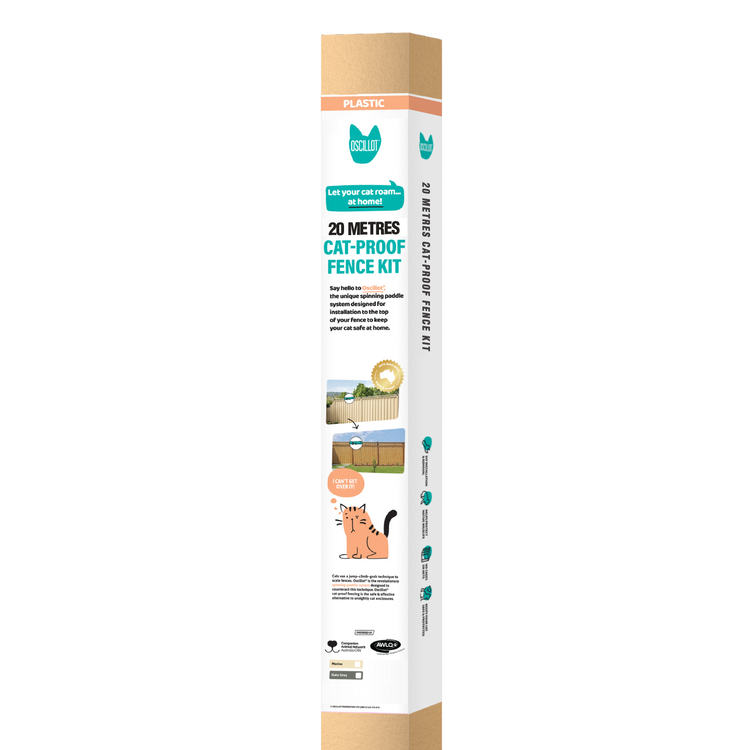
- Lighter and easier to handle during installation, making them more manageable in winter conditions - Good option for northern regions with milder winters like Queensland and Northern Territory - Available in various sizes from 20m to 140m to suit different property sizes - More affordable option for larger properties, particularly important for rural Australian homesteads - Less susceptible to temperature-related expansion and contraction - Easier to cut and adjust during installation, which can be advantageous in complex installation scenariosBoth our plastic cat proof fence kits and metal systems are designed to withstand Australian conditions, but your specific climate should influence your choice. For areas experiencing extreme temperature variations or severe winter weather, metal systems typically offer superior performance and longevity.
Weather-Resistant Features
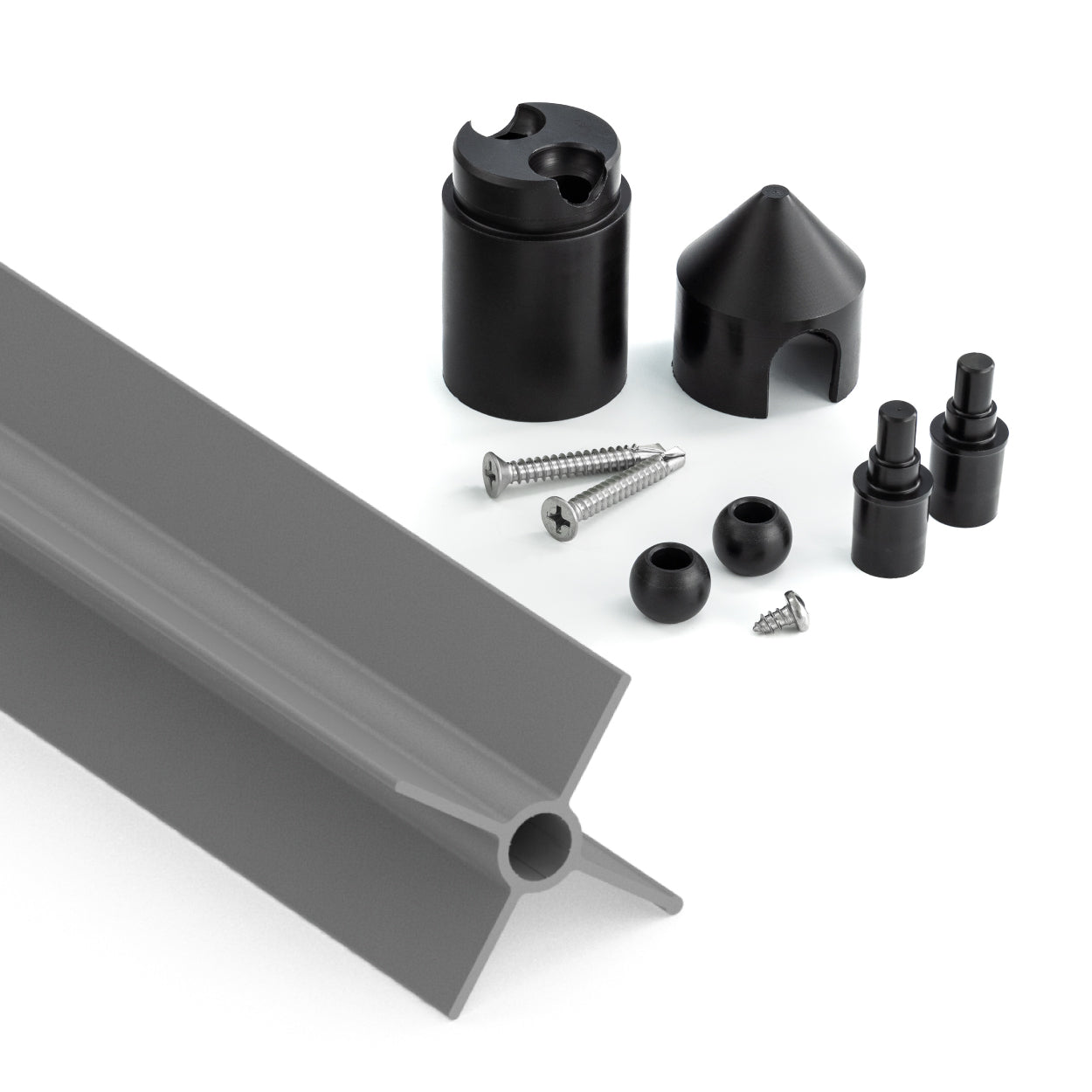
All Oscillot systems include:- UV-resistant materials suitable for Australia's harsh sun, which remains strong even during winter months - Corrosion-resistant components for coastal areas, essential given that most Australians live near the coast - Durable fixings that withstand temperature fluctuations common in Australian winters - Wind-resistant design for storm-prone regions, particularly important during the winter storm season in southern states - Anti-frost properties in adhesives and mounting components to prevent degradation in areas experiencing sub-zero temperatures - Water-resistant materials that maintain structural integrity even in high-rainfall regions like parts of Victoria and Tasmania
4. Essential Tools and Equipment for Winter Installation
Installing during winter in Australia requires some additional tools and considerations compared to warmer months. Being properly equipped will ensure a smoother installation process despite the seasonal challenges that winter presents in different parts of the country.Basic Installation Tools


- Drill with appropriate bits for your fence material - Tape measure and spirit level for accurate installation - Screwdriver set for securing components - Safety equipment (gloves, eye protection) to protect against the elements - Ladder or step stool for reaching fence tops - Marking pen or chalk for layout planning - Clean cloths for surface preparation and cleanup
Additional winter considerations:
- Portable shelter or tarp for protection from sudden rain, particularly useful in southern Australian states - Heater for adhesive storage if temperatures are below 10°C, common in Tasmania, Victoria, and parts of NSW during winter - Extra lighting for shorter winter days, especially important in southern states where winter days are significantly shorter - Thermal gloves for comfort in cooler regions, making detailed work more manageable - Thermos with hot drinks to maintain body temperature during outdoor work in cooler climates - Surface preparation materials including isopropyl alcohol for removing moisture from surfaces - Portable weather station or thermometer to monitor conditions during installation
Adhesive Considerations for Winter
In cooler Australian winter conditions:1. Store adhesives indoors at room temperature before use to maintain workability 2. Consider using winter-grade adhesives for southern states where temperatures regularly drop below 10°C 3. Allow 50% more curing time than recommended on packaging, especially in Victoria, Tasmania, and elevated regions 4. Apply adhesives during the warmest part of the day when temperatures are most favorable 5. Use a heat gun on low setting to gently warm surfaces before adhesive application in particularly cold conditions 6. Consider two-part epoxy adhesives which can be more effective in lower temperatures than standard construction adhesives 7. Apply slightly thicker beads of adhesive in cold conditions to ensure proper coverage and bonding
5. Step-by-Step Winter Installation Process for Australian Properties
The installation process for Oscillot cat fence systems remains consistent year-round, but winter conditions require some additional considerations and adjustments to ensure optimal results across Australia's varied climate zones.Pre-Installation Assessment


Installation Steps Adapted for Winter
1.Preparation:
- Clean fence tops thoroughly and ensure they're completely dry before beginning - If installing after rain, allow extra time for fence surfaces to dry completely - Work in sections to maintain quality in changing weather conditions common in Australian winters - Use isopropyl alcohol to remove any condensation or frost from surfaces before applying adhesives - Consider using a heat gun on low setting to gently warm surfaces in particularly cold conditions2.
Mounting the Brackets:
- Apply adhesive during the warmest part of the day when temperatures are optimal - Use slightly more adhesive than normal in cooler conditions to ensure proper bonding - Secure brackets with screws as per instructions for added stability during curing - Allow additional time before handling or disturbing newly mounted brackets - Consider using temporary supports during the extended curing period required in winter3.
Attaching the Paddles:
- Install paddles according to the spacing guidelines provided with your kit - Ensure consistent height across all installations for maximum effectiveness - Check that paddles rotate freely after installation, as cold temperatures can affect movement - Apply a small amount of silicone spray to hinges in very cold conditions to ensure smooth operation - Test paddle rotation at different temperatures if possible

Quality Checks:
- Test paddle rotation after installation to ensure proper function - Ensure all fixings are secure and properly tightened - Check for any gaps or potential escape routes that might compromise the system - Verify that all adhesive bonds have cured properly before allowing cats access to the area - Inspect the entire system under different weather conditions if possibleFor detailed installation instructions, refer to our comprehensive installation guide, which provides step-by-step instructions that can be adapted for various Australian climate conditions.
6. Regional Considerations Across Australia
Australia's diverse climate means installation considerations vary significantly between regions. Understanding these regional differences is essential for successful winter installation of cat containment systems across our vast continent.Northern Australia (QLD, NT, Northern WA)
- Schedule installation during the dry season if possible, as winter is typically the driest time of year - Focus on UV protection for materials, as even winter sun is strong in northern regions - Consider starting early in the day to avoid afternoon heat, as winter days can still be quite warm - Allow for expansion of materials in high temperatures that can occur even during the dry season - Be aware of early morning dew which can affect surface preparation, particularly in coastal areas - Plan for higher humidity levels which can affect adhesive curing times in tropical regions - Consider the impact of seasonal winds like the southeast trade winds on installationSouthern Australia (VIC, TAS, SA, Southern NSW)

Coastal Areas
- Choose corrosion-resistant materials (our Gun Metal Grey finish is ideal) to withstand salt spray - Ensure all fixings are tightened securely to withstand coastal winds that can be stronger in winter - Consider additional reinforcement in areas exposed to strong sea breezes common along the extensive Australian coastline - Clean surfaces thoroughly to remove any salt residue before installation for better adhesion - Be aware of higher humidity levels which can affect drying and curing times - Plan installation around tide times in areas very close to the ocean where sea spray might be an issue - Consider the accelerated aging effect of salt air on materials and choose accordinglyRural Properties


7. Weather-Specific Installation Tips
Different weather conditions across Australia require specific approaches to installation. Understanding how to adapt your installation process to various weather scenarios will ensure successful outcomes regardless of the conditions you encounter.Rainy Conditions
- Postpone installation if heavy rain is forecast, particularly in southern and eastern states during winter - Use temporary shelters or tarps to protect work areas if light showers are expected - Ensure surfaces are completely dry before applying adhesives to guarantee proper bonding - Have contingency plans for sudden weather changes, which can be common in Australian winters - Keep materials covered until needed to prevent moisture contamination - Use moisture meters if available to verify surfaces are sufficiently dry before adhesive application - Allow additional drying time after rain before resuming installation activitiesCold and Frost

Wind Considerations
- Secure loose materials to prevent them from blowing away in gusty conditions - Consider having a helper to assist with handling components in windy weather - Install in sections, completing each area fully before moving on to maintain quality - Check wind forecasts and avoid installation on particularly gusty days, which can be common in coastal areas - Position yourself downwind when applying adhesives to prevent contamination - Use windbreaks where possible to create more favorable working conditions - Be particularly careful on ladders during windy conditions, especially on exposed rural properties8. Protecting Australian Wildlife Through Cat Containment
One of the primary benefits of installing cat fence systems in Australia is protecting our unique native wildlife. Australia has the highest rate of mammal extinction in the world, and responsible cat containment plays a crucial role in conservation efforts across the continent.Wildlife Protection Benefits

Local Regulations
- Check your local council regulations regarding cat containment, as requirements vary across Australia - Some areas have mandatory containment requirements, particularly in regions with sensitive wildlife - Installation may qualify for local government rebates or incentives in certain municipalities - Compliance with wildlife protection measures is increasingly important across Australia - The ACT has comprehensive cat containment suburbs where outdoor cats must be contained - Many councils in Victoria, NSW and Queensland have introduced or are considering similar measures - Being proactive with cat containment can help avoid potential future fines as regulations tightenAs a 100% Australian-made product, Oscillot systems are designed with Australian wildlife protection as a priority, addressing the specific challenges of containing cats in our unique environment while protecting our precious native fauna.
9. Maintenance Tips for Australian Winter Conditions
Once installed, your cat fence system requires minimal maintenance, but winter conditions may necessitate some additional checks to ensure continued effectiveness throughout Australia's varied seasonal conditions.Regular Inspection Schedule


Seasonal Maintenance
- Clear leaves and debris from fence tops in autumn before winter to prevent buildup - Check for any storm damage after severe weather events common in Australian winters - Inspect adhesive bonds at the beginning and end of winter to ensure continued effectiveness - Address any issues promptly to maintain system effectiveness throughout the season - Apply protective coatings or treatments if recommended for your specific regional conditions - Document any maintenance performed to establish patterns and anticipate future needs - Consider a professional inspection if your property experiences particularly severe winter conditionsOur systems are designed for minimal maintenance, but these simple checks will ensure long-term performance across Australia's diverse climate conditions, from the tropical north to the temperate south and everything in between.
10. Troubleshooting Common Winter Installation Issues
Even with careful planning, winter installations can present unique challenges. Here are solutions to common issues encountered during winter installation across Australia's varied climate zones.Adhesive Not Setting Properly


Paddle Movement Issues
- Problem: Paddles not rotating smoothly after installation in cold weather - Solution: Check for debris or obstructions and ensure correct spacing between components - Prevention: Test rotation immediately after installation to identify any issues - Maintenance: Apply silicone spray to hinges if movement becomes stiff in cold conditions - Technical consideration: Verify that thermal expansion/contraction hasn't affected component alignment - Additional check: Ensure paddles aren't being restricted by fence caps or other fence-top features - Professional tip: Slightly looser installation can accommodate thermal movement in extreme conditionsFence Stability in Wet Conditions
- Problem: Fence posts becoming unstable after heavy rain, common in winter in many parts of Australia - Solution: Check and reinforce fence post footings to ensure stability - Prevention: Assess fence stability before installation and address any issues - Additional measure: Consider installing additional bracing for fences in soft ground, particularly after rain - Technical approach: Use concrete footings for posts in areas with poor drainage or heavy clay soils - Professional insight: Drainage improvements around fence posts can prevent water accumulation and instability - Long-term solution: Consider post caps to prevent water ingress that can lead to rot in wooden posts11. Cat Adaptation During Winter Installation
While installing your cat containment system, consider how to manage your cats during the process and help them adapt to their new boundaries, particularly during the winter months when outdoor activity patterns may already be altered.Temporary Containment Solutions

Introducing Cats to the New System
- Allow the system to fully cure before testing with cats, especially important in winter conditions - Supervise initial interactions with the new fence system to observe behavior - Provide positive reinforcement when cats respect boundaries to encourage appropriate behavior - Be patient during the adaptation period as cats learn about the new boundaries - Start with short, supervised outdoor sessions to monitor how cats interact with the system - Create positive associations with the contained area by placing treats, toys, and comfortable resting spots - Consider using deterrent plants or surfaces near the fence to discourage testing boundaries12. Benefits of Winter Installation in Australia
While winter presents some challenges, there are also advantages to installing cat fence systems during the cooler months, particularly given Australia's varied regional climate patterns.Advantages of Winter Installation


Wildlife Protection: Winter installation ensures protection for vulnerable native wildlife during spring breeding season, when Australian fauna is particularly active. By having systems operational before spring, you're helping protect countless native birds, reptiles, and small mammals during their most vulnerable period.
2.
Cooler Working Conditions: In many Australian regions, winter provides more comfortable working temperatures, especially in northern areas where summer heat can be extreme. This can make the installation process more pleasant and reduce the risk of heat-related issues during installation.
3.
Preparation for Spring: System will be fully operational before the peak activity period for cats, which typically coincides with warmer spring weather. Cats tend to become more active and exploratory as temperatures rise, making containment particularly important heading into spring.
4.
Less Garden Disruption: Dormant gardens are less likely to be damaged during installation, particularly important for native Australian gardens. Many Australian native plants are sensitive to disturbance during active growth periods, making winter an ideal time for installation work.
5.
Availability: Installation services may be more readily available during winter months when demand is typically lower. If you're engaging professional help, winter often offers more flexible scheduling options and potentially faster service.


Leave a comment