


Australia's Guide to Cat-Proofing Fences: Solutions for Kittens and Small Cats

Essential Points for Cat-Proofing Fences in Australia
- Minimum recommended fence height for cat containment in Australia is 1.83 metres
- Oscillot® systems work effectively for both kittens and adult cats
- Special considerations needed for smaller cats and kittens when installing barriers
- Australian weather conditions require weather-resistant containment solutions
- Different fence types (wooden, metal, brick) require specific installation approaches
- DIY kits are available in various sizes to suit Australian properties
Key Takeaways for Kitten-Safe Fencing
- Kittens can squeeze through gaps as small as 5cm - ensure all potential escape routes are blocked
- Install mesh barriers at the bottom of fences for very young or small kittens
- Regular maintenance is crucial in Australia's variable climate conditions
- Combine physical barriers with positive reinforcement training for optimal results
- UV-resistant materials are essential for long-term effectiveness in Australia's harsh sun
- Create designated climbing areas away from fence lines to reduce escape attempts
Introduction: Keeping Cats Safe in the Australian Outdoors
Australia's unique wildlife and environment create specific challenges for cat owners. While we want our feline friends to enjoy the outdoors, we also need to ensure they stay safely within our property boundaries. This is especially important for kittens and smaller cats, who might find ways to escape through gaps that larger cats cannot.
The need for proper cat containment in Australia extends beyond simply keeping your pet safe. With Australia having the highest mammal extinction rate globally and feral cats threatening over 100 native species, responsible pet ownership includes ensuring your cat cannot contribute to this ecological pressure. This is particularly important for kittens, who are developing hunting behaviors and may not yet understand boundaries.
Australian councils increasingly implement cat containment regulations, with many areas now requiring 24/7 containment. By establishing effective barriers early in your kitten's life, you create habits that benefit both your pet and the environment while ensuring compliance with evolving regulations across different Australian jurisdictions.
1. Understanding Why Kittens Need Special Fence Considerations in Australia
Kittens and smaller cats present unique challenges when it comes to containment. Their smaller size, flexibility, and natural curiosity make them experts at finding escape routes that adult cats might not attempt.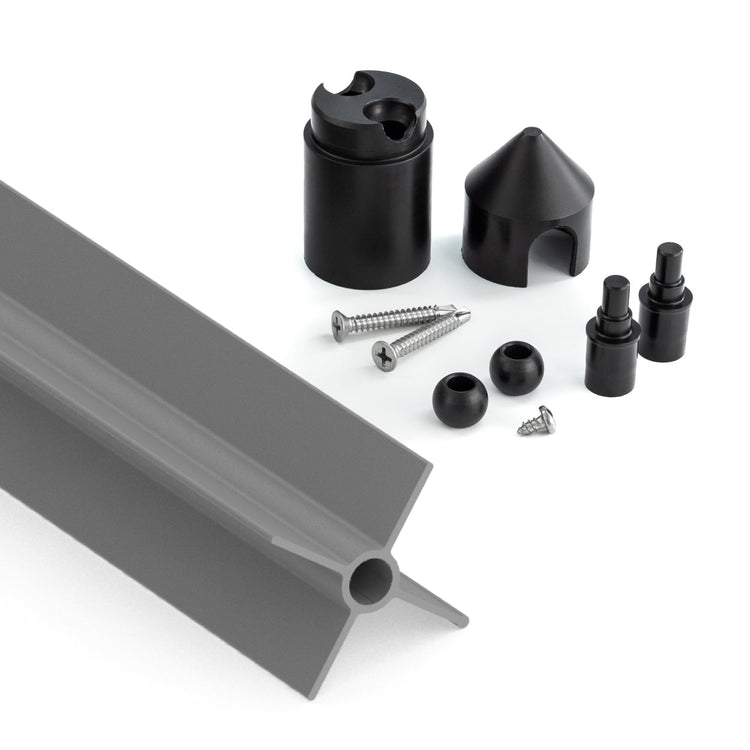

- Many Australian properties have larger yards with diverse fence types - Australian wildlife can attract curious kittens to explore beyond boundaries - Extreme weather conditions can create fence vulnerabilities that kittens exploit - Rural Australian properties often require extensive fence modifications - Native Australian animals may entice kittens to attempt escapes through hunting instincts - Territorial neighborhood cats might encourage your kitten to breach boundaries
Australia's variable weather conditions make it essential that any fence modifications for kittens are durable and weather-resistant. From scorching summer heat to heavy rains, your containment system needs to withstand Australia's climate extremes.
The facts are clear - indoor cats in Australia live approximately 10 years longer on average than outdoor cats, and two out of three cat owners have permanently lost a cat due to roaming incidents. For kittens, whose curiosity often exceeds their caution, these risks are even greater.Australian native wildlife is uniquely vulnerable to cat predation, having evolved without exposure to cats. This makes it doubly important that we keep our kittens safely contained - not just for their protection, but also for the conservation of our unique ecosystem.
Kittens also have specific developmental needs that influence their escape attempts. Between 2-7 months of age, they experience a critical socialization period where exploration drives are at their peak. During this time, their physical capabilities are rapidly developing, but their risk assessment skills remain immature, making proper containment even more crucial in Australia's environment with its unique hazards like venomous snakes and busy roads.
2. Assessing Your Australian Property's Fence for Kitten Escape Points
Before installing any cat containment system, it's important to thoroughly assess your existing fence for potential escape routes that kittens might exploit.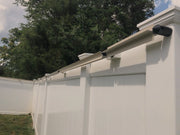
- Gaps between fence palings or panels - Small spaces between the fence and gate - Areas where the fence meets structures like sheds or houses - Drainage points or other ground-level openings - Access points via trees or climbing plants adjacent to fences - Spaces under fence lines where soil has eroded away - Decorative fence elements that provide footholds - Gates with excessive ground clearance
Different fence types require specific approaches to cat-proofing. Whether you have wooden palings, brick walls, or chain-link fencing common in Australian properties, the assessment and solution will vary.
When checking your fence, get down to kitten level - literally! Crawl along the perimeter of your fence line and look for any gaps or spaces that a small, flexible kitten could squeeze through. Remember that kittens can fit through spaces that seem impossibly small to us - if they can get their head through, their body will typically follow.Pay special attention to corners where different fence sections meet, as these often have small gaps that adult cats might ignore but kittens will explore. In Australia's changing climate, also check for areas where soil erosion might have created gaps under the fence, especially after heavy rains that are common in many parts of the country.
Australian properties often feature unique challenges like retaining walls that create different ground levels on either side of a fence. These can effectively reduce fence height on one side, creating easier escape routes for determined kittens. Similarly, garden features common in Australian yards such as raised garden beds or rainwater tanks positioned near fence lines can provide stepping stones for kittens to reach the top of your fence.
3. Choosing the Right Cat Containment System for Australian Conditions
Australia's unique environment demands containment solutions that work for both your property and your kitten's safety.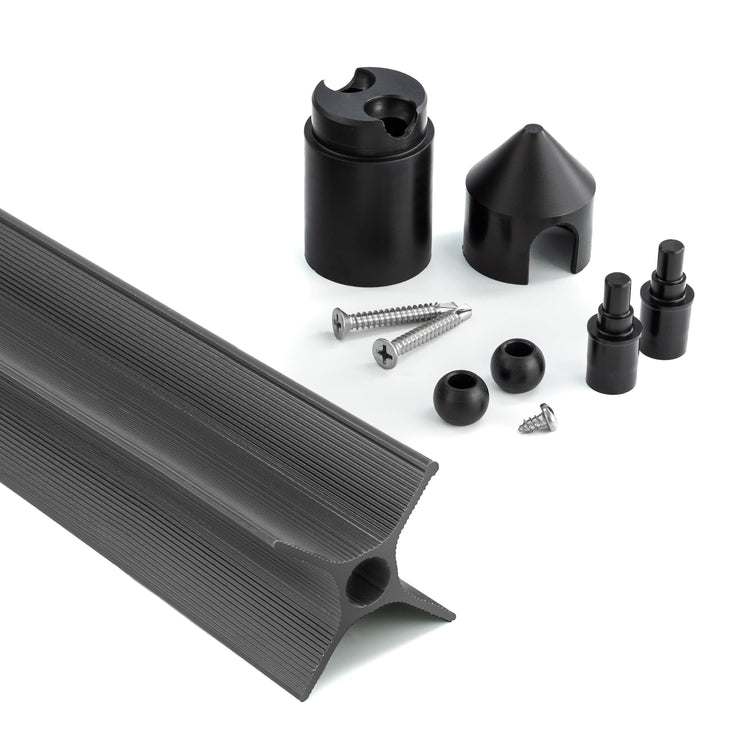
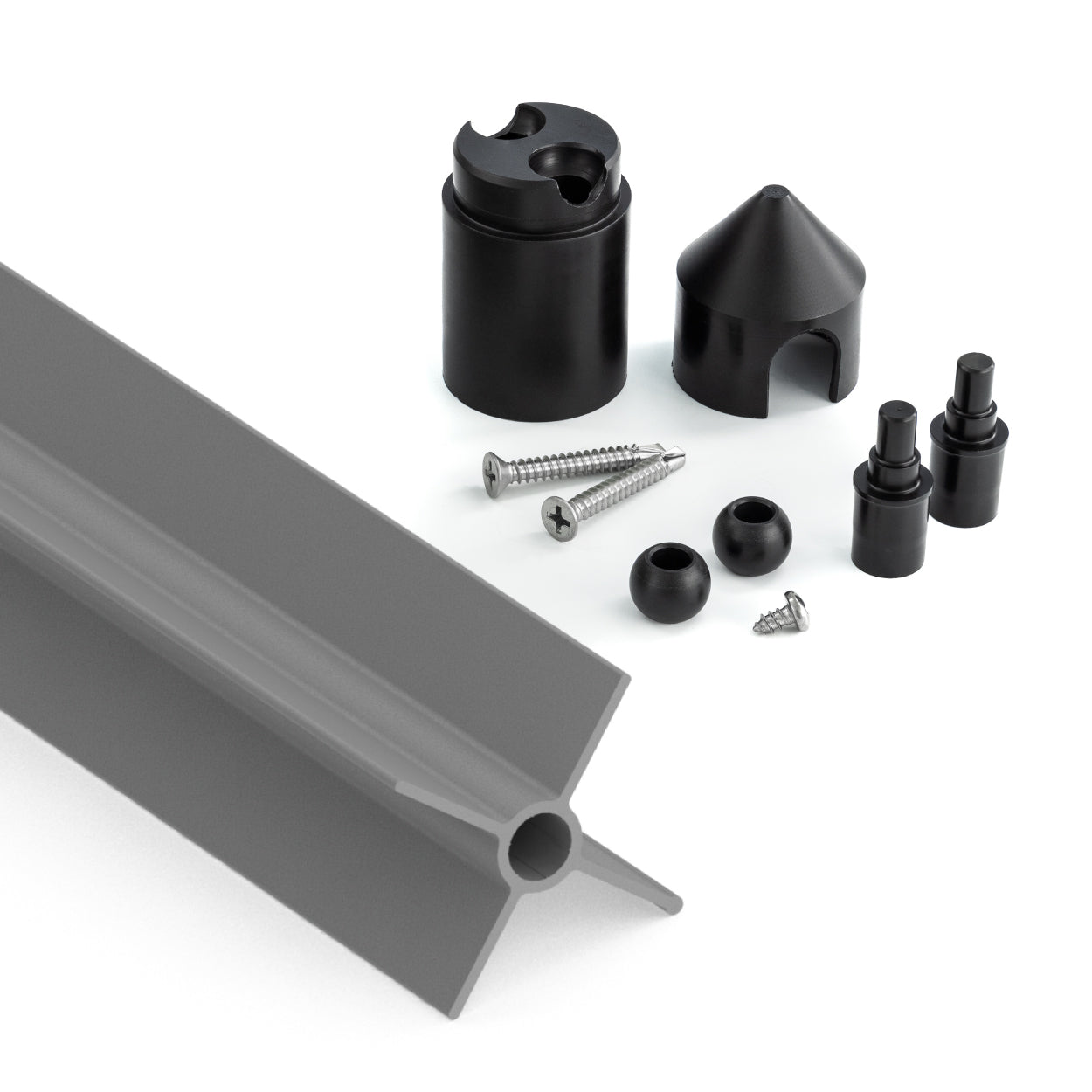
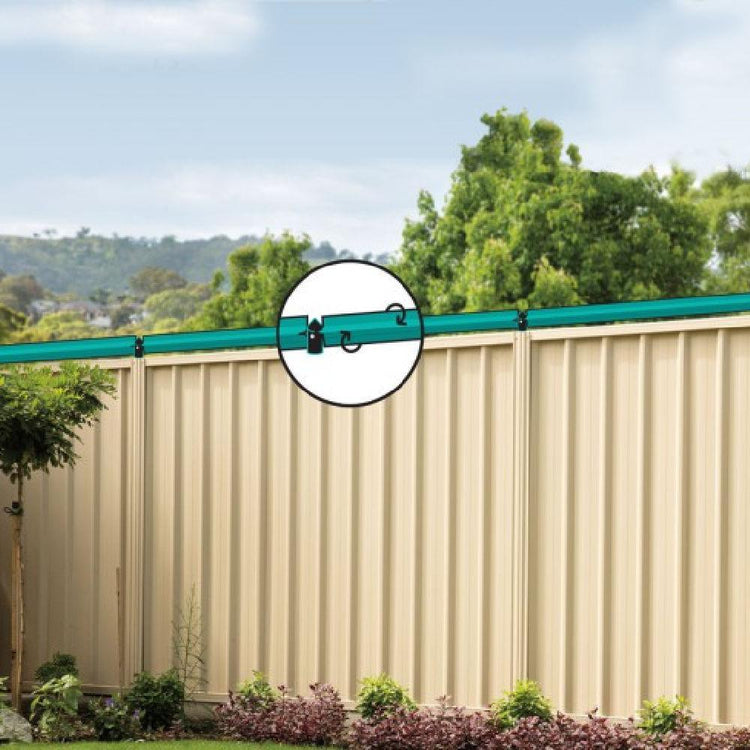
- Weather-resistant materials that withstand Australian sun and rain - Flexible installation options for various fence types common in Australia - Scalable solutions for properties of all sizes, from suburban yards to rural blocks - No sharp edges or harmful components that could injure curious kittens - UV-stabilized materials that won't degrade in Australia's harsh sunlight - Corrosion-resistant components suitable for coastal environments
Our plastic cat-proof fence kits are particularly suitable for Australian conditions, offering durability against UV exposure and extreme weather while providing effective containment for cats of all sizes.
When picking a containment system for kittens specifically, look for solutions that address their unique escape methods. Kittens may not have the jumping ability of adult cats yet, but they're masters at squeezing through small spaces and finding creative climbing routes. The Oscillot® system prevents climbing by using rotating paddles that cats can't grip, making it effective for both kittens and adult cats.For Australian homes, it's worth noting that about 85% of Australians live within 50km of the coastline, where salt-laden air can quickly damage standard materials. Our systems are designed with corrosion-resistant components that stand up to these challenging coastal conditions.
The Australian climate varies dramatically across the continent, from tropical conditions in the north to temperate climates in the south, with arid regions in between. Our containment systems are engineered to perform reliably across these diverse environments, with materials tested to withstand temperatures ranging from below freezing to well over 40°C, ensuring year-round effectiveness regardless of your location within Australia.
4. Adjusting Fence Height for Kittens: Australian Guidelines
While adult cats require a minimum fence height for effective containment, kittens may need additional considerations due to their smaller size and developing jumping abilities.

- A minimum fence height of 1.83 metres for effective cat containment - Installing the Oscillot® system at the top of the fence - Ensuring there are no climbing aids (like nearby trees or structures) that reduce effective height - Considering additional mesh barriers at the bottom of the fence for very small kittens - Accounting for ground level differences on either side of the fence - Evaluating seasonal changes that might affect effective fence height
Our 5-metre cat-proof fence kit includes 4 paddles and 5 dual knuckle post kits, making it perfect for smaller areas or for testing the system before expanding to your entire property boundary. All our kits can be adjusted to accommodate the specific needs of kittens and smaller cats.
It's important to understand that while kittens may not initially have the jumping ability of adult cats, they grow quickly. The average domestic cat can jump 5-6 times their own height, with some exceptional cats reaching heights of up to 8 feet (240 centimetres). Planning your fence height with this future ability in mind saves you from having to upgrade your system as your kitten grows.In Australia's diverse climate zones, fence height considerations may vary. In areas with heavy snowfall like the Snowy Mountains, you'll need to account for potential snow buildup that could effectively lower your fence height during winter months. Similarly, in areas prone to flooding, ensure your bottom barriers remain effective even after heavy rains.
Australian gardens often feature elements that can affect effective fence height. Raised garden beds, compost bins, or outdoor furniture positioned near fence lines can all serve as launching platforms for agile kittens. When planning your fence height, consider not just the physical fence measurement but also any nearby elements that could reduce the effective containment height by providing intermediate jumping points.
5. Addressing Gaps and Weak Points for Kitten-Proofing Australian Fences
Kittens are particularly good at finding and exploiting small gaps in fencing. Australian properties often have unique challenges due to the variety of fence styles and materials used.

- Gaps between fence palings (particularly in older wooden fences) - Areas where different fence sections meet - Gates and entry points - Ground-level gaps that can be widened by digging - Corners where cats can gain leverage for climbing - Decorative fence elements providing footholds - Spaces between different fence materials where they join - Drainage holes or pipe entry points
When installing the Oscillot® cat-proof fence system, pay special attention to these areas. Our system is designed to be adaptable to various fence types common in Australia, including wooden palings, Colorbond, brick walls, and chain-link fencing.
For particularly determined kittens, consider adding fine mesh to the lower portion of your fence. This prevents them from squeezing through gaps or attempting to climb the fence itself. The mesh should be securely fastened to prevent kittens from pushing it away from the fence.Australian native gardens often feature plants that grow close to fence lines. While these create beautiful boundaries, they can also provide kittens with natural climbing aids. Consider creating a buffer zone between plants and your fence, or choose plants that don't offer easy climbing access, such as native grasses rather than shrubs with sturdy branches.
In many Australian suburbs, boundaries between properties feature retaining walls or changes in ground level that can create weak points in your containment system. These areas require special attention, often needing additional barriers or extensions to maintain effective containment. Remember that kittens will explore these transitions between different boundary types, looking for any opportunity to squeeze through or climb over.
6. DIY Installation Guide for Kitten-Safe Fencing in Australia
For Australian homeowners who prefer to install their own cat containment systems, we offer comprehensive DIY kits with clear installation instructions.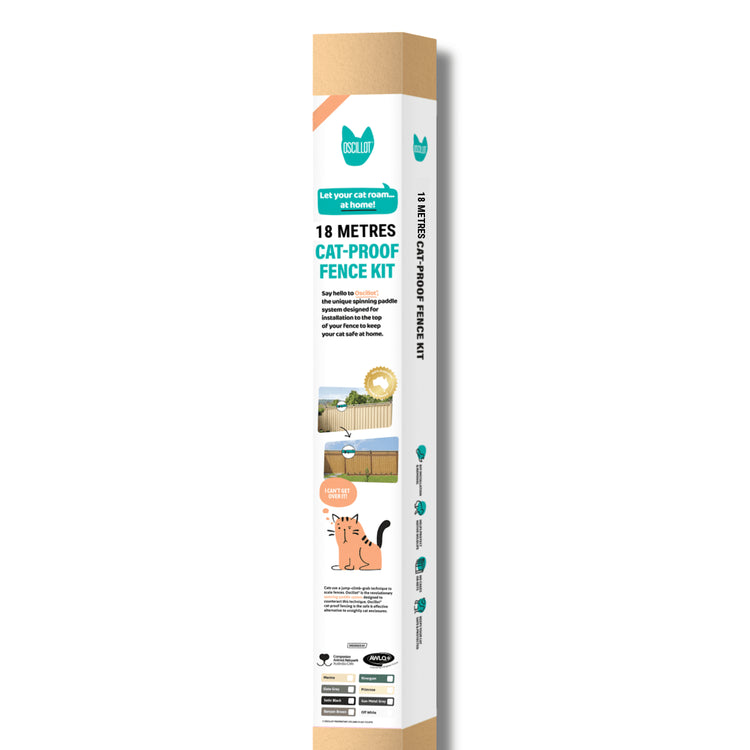

Our 18-metre DIY cat-proof fence kit includes 9 paddles and 13 dual knuckle post kits, priced at $633.00. This kit is perfect for smaller Australian properties or for securing specific areas of your yard where kittens might be most likely to escape.
For larger Australian properties, the 50-metre DIY cat-proof fence kit at $1,485.00 provides comprehensive coverage. All our kits come with Gun Metal Grey components that blend well with most Australian fence styles and are suitable for metal, timber, and brick installations.
DIY Installation Steps
- Prepare Your Fence: Ensure fence is sturdy and repair any damaged sections
- Install Mounting Brackets: Position brackets at recommended intervals along fence line
- Attach Paddles: Connect paddles to brackets, ensuring proper rotation
For properties in tropical North Queensland or the Northern Territory, where heavy monsoon rains are common, ensure your installation includes proper drainage considerations. This prevents water from pooling around fence posts, which could lead to erosion and create escape routes for kittens.
The good thing about our DIY kits is that they can be customized to address the specific escape behaviors of your kitten. If your kitten is particularly determined to dig under fences, you can extend mesh barriers below ground level. If they're already showing climbing abilities, focus on ensuring the paddle system is installed at the optimal height.
Australian property boundaries often feature multiple fence types - perhaps Colorbond on one side, wooden palings on another, and a brick wall at the rear. Our system adapts to these varied materials, with specific mounting hardware for each fence type included in our comprehensive DIY kits, ensuring consistent protection regardless of fence material variations.
7. Protecting Trees and Garden Features from Climbing Kittens
Australian gardens often feature trees and other climbing opportunities that kittens can use to bypass fence containment systems.
Our cat tree guard solutions are specifically designed to prevent kittens from using trees as escape routes. These guards can be installed around tree trunks, preventing cats from climbing up and potentially jumping over your fence containment system.
For complete protection of your Australian property, consider:- Installing tree guards on all climbable trees near fence lines - Pruning branches that extend over or near fences - Relocating potted plants or garden features that could serve as climbing aids - Creating a buffer zone between trees and fences where possible - Selecting native plants that don't provide easy climbing opportunities - Securing garden structures like trellises and arbors that could serve as escape routes
These solutions work together with our cat-proof fence kits to create a comprehensive containment system for your Australian property.
Australian native gardens often feature trees like eucalyptus and acacias, which kittens can climb with ease. While these trees are important for local biodiversity, they can create challenges for cat containment. Rather than removing these valuable native trees, tree guards allow you to maintain your Australian garden while keeping kittens safely contained.For properties with extensive native bushland, consider creating a designated cat-safe zone rather than attempting to secure your entire property boundary. This approach is particularly useful for rural Australian properties where complete perimeter fencing may be impractical or too expensive.
Australian gardens often have water features like ponds or birdbaths that attract native wildlife. These features can draw kittens toward fence lines as they try to access these interesting elements. Consider moving water features toward the center of your contained area, providing your kitten with the fun of watching wildlife while remaining safely within boundaries. This approach supports both cat containment and native wildlife protection, a key concern for responsible pet ownership in Australia.
8. Weather-Proofing Cat Containment Systems for Australian Conditions
Australia's diverse climate presents unique challenges for outdoor cat containment systems, from intense UV exposure to heavy seasonal rains and strong winds.

Our weather-resistant cat containment systems are built to withstand Australia's harsh conditions:
- UV-stabilized materials prevent degradation from sun exposure - Corrosion-resistant components suitable for coastal Australian properties - Sturdy construction to withstand strong winds common in many Australian regions - Drainage features to prevent water accumulation during heavy rains - Heat-resistant materials that won't warp or deform during extreme summer temperatures - Frost-resistant components for southern Australian regions that experience winter freezesFor larger Australian properties, our 90-metre DIY cat-proof fence kit priced at $2,365.00 provides extensive coverage with weather-resistant components in Gun Metal Grey, suitable for metal, timber, or brick installations.
In Australia's tropical north, cyclone season presents particular challenges for outdoor structures. Our systems are designed to withstand high winds, but additional securing may be necessary in cyclone-prone areas. Consider installing wind breaks or strategic plantings to reduce wind exposure to your cat containment system.For properties in Australia's arid interior, dust buildup can affect moving parts like the rotating paddles. Regular cleaning and maintenance are essential to ensure continued effectiveness. Our UV-stabilized materials are specifically chosen to withstand the intense sun exposure common in these regions, preventing cracking and degradation that could compromise the system's integrity.
Climate change is increasing weather volatility across Australia, with more frequent extreme events including floods, droughts, and heatwaves. Our containment systems are engineered with this changing climate in mind, using materials and design principles that provide flexibility and resilience against these intensifying conditions. This forward-thinking approach ensures your investment in kitten containment remains effective despite Australia's evolving climate challenges.
9. Special Considerations for Rural Australian Properties
Rural Australian properties present unique challenges for cat containment, with larger areas to secure and diverse wildlife interactions to manage.

For large rural Australian blocks, we recommend:
- Focusing on securing a smaller section of your property rather than the entire boundary - Creating a designated cat-safe outdoor area adjacent to your home - Using our larger kits such as the 120-metre cat-proof fence kit which includes 96 paddles and 108 dual knuckle post kits - Considering additional protection measures for wildlife and livestock - Establishing buffer zones between contained areas and wildlife habitats - Incorporating secure access points for farm vehicles and equipmentOur extensive range of cat containment solutions can be customized to meet the specific needs of your rural Australian property, providing safe outdoor access for your cats while protecting native wildlife.
Rural Australian properties often face unique challenges with native wildlife interactions. While containing your kitten protects them from dangers like snakes and predatory birds, it also prevents them from hunting native wildlife. Australia has lost more mammal species to extinction than any other country, with cats being a significant contributing factor. By containing your kitten, you're helping protect Australia's unique biodiversity.For properties with livestock, cat containment systems can be integrated with existing farm fencing. This is particularly important for rural properties where cats might otherwise be exposed to livestock management chemicals or veterinary products that could be harmful to them.
Water features common on rural properties, such as dams or creeks, pose drowning risks for kittens. When planning your cat containment system, ensure these water features are either excluded from the cat-safe area or have safe access points where kittens can easily exit if they fall in.
Rural Australian properties often experience more extreme weather events than urban areas, with less protection from buildings and infrastructure. Your containment system needs to withstand these conditions, including dust storms, flash flooding, and extreme temperature fluctuations. Our systems are designed with these rural challenges in mind, using materials and construction techniques that provide reliable performance even in these demanding environments.
10. Monitoring and Maintenance Tips for Australian Cat Fence Systems
Regular monitoring and maintenance are essential to ensure your cat containment system remains effective, especially for kittens who are constantly testing boundaries.
- Quarterly inspections of your entire cat containment system - Checking for UV damage, particularly in high-sun exposure areas - Ensuring all components remain securely fastened after storms or high winds - Monitoring for any signs of digging or escape attempts by kittens - Promptly addressing any identified issues or vulnerabilities - Inspecting for pest damage, particularly termites in wooden fence components - Checking ground-level gaps after heavy rain events - Seasonal assessments that account for changing environmental conditions
Our range of cat products includes maintenance items and replacement parts to keep your containment system in optimal condition, ensuring your kittens remain safely contained within your Australian property.
Australia's diverse climate means maintenance requirements vary by region. In coastal areas, salt corrosion can affect metal components, requiring more frequent inspections and possibly protective coatings. In areas with heavy rainfall, check that drainage systems are working properly to prevent water damage or erosion around fence posts.After extreme weather events, which are becoming more common across Australia, conduct a thorough inspection of your entire containment system. High winds can loosen components, heavy rain can cause soil erosion under fences, and intense heat can affect plastic components. Addressing these issues promptly prevents escape opportunities for curious kittens.
Seasonal changes may also affect your kitten's behavior. During Australia's hot summers, kittens may be less active during the day but more exploratory in the cooler evenings. During winter, they might seek sunny spots near fence lines. Adjust your monitoring schedule to account for these seasonal behavior changes.
In bushfire-prone regions of Australia, seasonal maintenance should include clearing vegetation around fence lines not just for fire safety but also to prevent kittens from using plants as climbing aids. After bushfires, even those at a distance, check for ash and debris buildup that might affect moving parts of your containment system.
11. Combining Physical Barriers with Training for Kitten Containment
While physical barriers are essential for kitten containment, combining them with appropriate training can enhance effectiveness and help your kitten understand boundaries.

- Supervise initial outdoor explorations to observe how your kitten interacts with boundaries - Use positive reinforcement when your kitten stays away from fence lines - Create engaging play areas away from property boundaries - Gradually increase outdoor time as your kitten demonstrates understanding of boundaries - Establish consistent daily outdoor routines that align with natural cat activity patterns - Use clicker training to reinforce boundary recognition - Create enrichment zones in the center of your property to draw attention away from perimeters
Our 2-metre DIY Oscillot kit priced at $98.00 can be used as a training tool in specific areas before implementing a full property solution.
Cat Containment Success Rates
Physical Barriers Only: 75%
Training Only: 40%
Combined Approach: 95%
Consider using native Australian plants like catnip (Nepeta cataria) or cat grass within your contained area to create attractive spaces that draw your kitten away from boundaries. These plants provide enrichment and encourage kittens to explore safe areas rather than testing fence lines.
In multi-cat households, which are common in Australia with an average of 1.5 cats per cat-owning household, observe how cats interact with each other in the contained space. Some kittens may be influenced by older cats' behavior, either learning escape techniques or boundary respect from them.
Australian weather patterns influence training opportunities. The mild climate in many parts of Australia allows for year-round outdoor training sessions, but be mindful of extreme heat days when outdoor training should be limited to cooler morning or evening hours. This consistent, weather-appropriate training helps kittens develop strong boundary awareness while ensuring their safety and comfort in Australia's variable climate.
12. Ensuring Long-Term Effectiveness for Growing Kittens in Australia
As kittens grow into adult cats, their containment needs will evolve. Planning for this growth ensures your cat containment solution remains effective throughout your pet's life.

Our 140-metre cat-proof fence kit includes 116 paddles and 130 dual knuckle post kits, providing comprehensive coverage for larger Australian properties. This system is designed to be effective for cats of all ages and sizes, from kittens to fully-grown adults.
Long-term considerations for Australian cat owners:- Install a system that accommodates your kitten's eventual adult capabilities - Choose durable materials that will last throughout your cat's lifetime - Consider the changing Australian landscape around your property (growing trees, new structures) - Plan for potential property expansions or modifications - Account for neighborhood changes that might introduce new attractions beyond boundaries - Evaluate how seasonal wildlife patterns might affect containment challenges - Consider how aging will affect your cat's behavior and containment needs
By implementing a comprehensive cat containment solution from Oscillot®, you can ensure your Australian property remains safe and secure for your cat throughout its life, from playful kitten to mature adult.
As Australia continues to implement more stringent cat containment regulations, having an effective system already in place prepares you for future compliance requirements. The Australian Capital Territory now requires all cats born after July 1, 2022, to be contained 24/7, and many other jurisdictions are implementing similar regulations.
Consider the changing climate conditions in Australia when planning for long-term effectiveness. With increasing extreme weather events predicted, systems that can withstand these conditions will provide better value and more consistent protection for your growing kitten.
The average lifespan of a contained cat in Australia is 12-15 years, compared to just 2-5 years for cats allowed to roam freely. This big difference highlights the importance of establishing effective, long-term containment solutions early in your kitten's life. Our systems are designed to last throughout your cat's lifetime, with UV-stabilized materials and corrosion-resistant components that maintain their effectiveness despite years of exposure to Australia's challenging climate conditions.
Conclusion: Creating a Safe Australian Outdoor Environment for Kittens
Providing a safe outdoor experience for kittens and small cats in Australia requires thoughtful planning and appropriate containment solutions. With Oscillot®'s range of cat-proof fence systems, Australian cat owners can create secure boundaries that keep their feline friends safe while protecting native wildlife.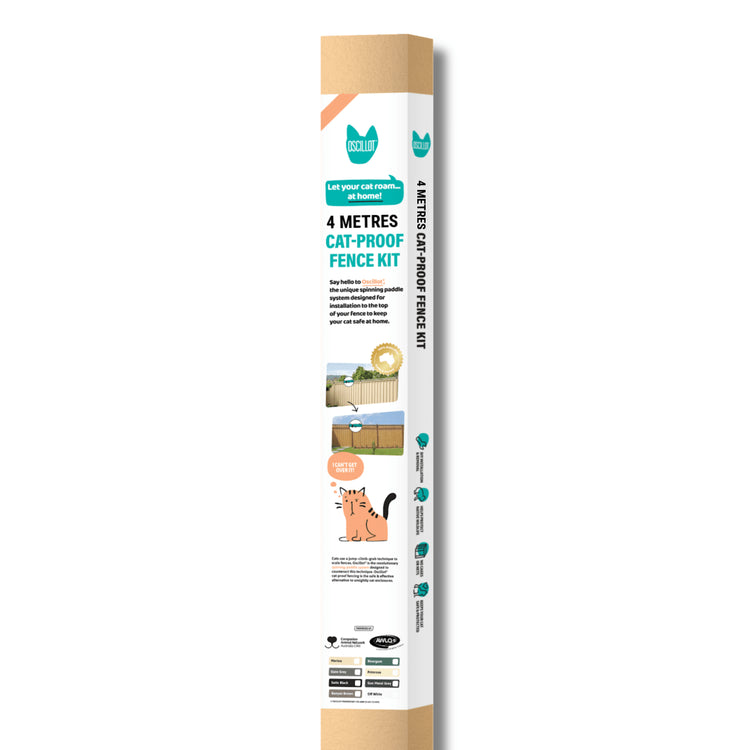
By following the guidelines in this article and implementing an appropriate Oscillot® system, you can give your kitten the freedom to enjoy the Australian outdoors safely, providing them with enrichment and exercise while maintaining peace of mind that they remain securely within your property boundaries.
The benefits extend beyond just your kitten's safety. By responsibly containing your cat, you're helping protect Australia's unique wildlife, reducing neighborhood conflicts, and potentially saving thousands in veterinary bills by preventing injuries from fights, traffic accidents, and exposure to diseases. This whole approach to cat care aligns with Australia's evolving understanding of responsible pet ownership and environmental stewardship.
"After installing the Oscillot system on our property in rural Victoria, we've been able to let our two kittens explore the garden without worry. The system was surprisingly easy to install ourselves, and it's held up perfectly through both summer heat and winter storms."
— Sarah T., Melbourne



Leave a comment